
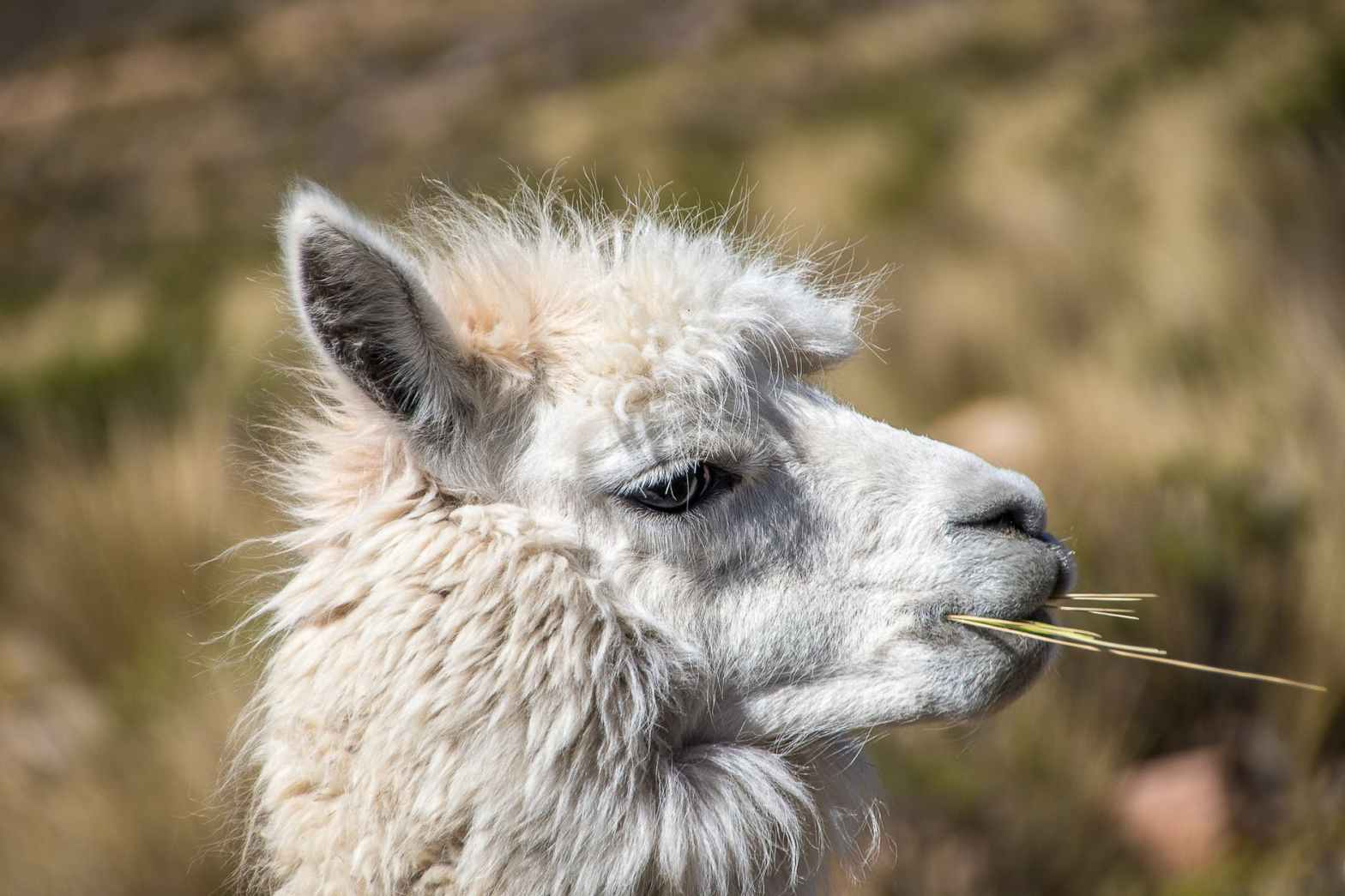
This is a question I’ve asked myself over and over. I’ve spent many days wondering what it is about alpacas that makes me want to have them in my life and in truth, I think it comes down to that innermost feeling I get when I look at them. You know when you look at something cute and you just want to love it so hard with everything inside you? That’s alpacas for me, to the point where I tear up with joy when I see them.
My love for alpacas started just like that, a love and nothing more. Like most people with special interests, I spent a great deal of time researching them and what I learned really drove me to want to take the leap into rearing them myself. The main driving factor is how low-key alpaca farming is. Frankly, they are easy to love and easy to care for! I’m going to share some information about them below.


About Alpacas
Alpacas are a member of the Camelid family along with Llamas and Camels as well as the lesser known Vicuna and Guanaco. They range anywhere from 5ft to 5.5ft tall, weigh between 120lbs and 200lbs, and live for approximately 20 years. They are originally from the Altiplano region, which is in South America and spans between Bolivia, Peru, Chile and Argentina.

The Altiplano region lays in the central Andes…
There is biodiversity in these areas which span from arid grassland to mountainous snowy peaks. The region is harsh and food can be scarce. Alpacas have adapted to living in such conditions and thus have a very low ecological footprint.
In general, there are two different types of alpacas, Suri Alpacas and Huacaya Alpacas. Suri Alpacas are known for their long shag-carpet like fibre where Huacaya have the fluffy look and are much more common.
Alpaca farming is all about fibre production. One year of fibre, at wholesale cost, can cover the cost of care for your animal. Why is Alpaca fibre so sought after? It’s simple, Alpaca fibre is:
- Extremely Warm/Thermal
- Soft
- Anti-Microbial
- Strong
- Hypoallergenic
- Naturally varied in colour.
Caring for Alpacas
Caring for Alpacas is quite easy and they tend to require less than most other livestock farms. Why is this? They are very self sufficient and robust animals, considering the type of landscape and ecosystem that they come from. Care for these animals can be broken down into four major categories: Shelter, Grooming, Feeding and Healthcare. I’ve provided a brief overview of each below.

Sheltering alpacas is easy….
Since alpacas are from a varied climate, they can survive most elements with a 3-sided barn with free access to pasture grazing. The barn should be positioned in such a way that the majority of the elements (rain, wind, snow, etc.) hit the walls or awnings.

Grooming is not required…
You might think that if you have alpacas you will spend a lot of time taking care of the fibre. In fact, that’s not the case! The best fibre is undisturbed until sheering which happens once a year in spring.

Feeding is a breeze…
Alpacas eat less than an average domestic dog eats in a month in an entire year. You will feed them one serving per day of feed with access to pasture and hay all year round. These animals are very low impact!

Healthcare is also quite simple…
You spend one day a year providing major healthcare to your animals like vaccinations, toenail trimming and teeth grinding. You will worm them (like a dog or cat) throughout the summer months. You will also use a livestock vet, though these visits are somewhat rare as the animals are robust.
Poll
We love to use YOUR feedback to cultivate the content that we share. Our main focus will always be alpacas, but there is a lot of work that goes into building a farm from the ground up on uncultivated land. We want to hear from you on what topics you’d like to see more of!
 Rainbow River Alpacas