5 years ago Sylas and I joked with his mom that it would be supremely awesome if we just gave up our corporate life and went on farming camelids. As we entered 2021, we didn’t expect for that to be in our realm of possibility, but it became a matter of a “perfect” storm of circumstances that got us here.
Almost exactly one year ago, in March of 2021, Sylas and I went on a trip to Cobden, ON to look at 4 acres of land with nothing on it as a potential investment property. Let me tell you, for our first drive north together in the “winter” it was quite eventful as a snowstorm fell on us in the mountains! When we looked at the land, not knowing a lot about alpaca farming at the time, we were too gun-shy to pull the trigger. We had the original intention of buying the land with the purpose of farming at retirement or while we continued to work remotely, but we just didn’t know what to look for.
One of the most daunting tasks so far of us pursuing our dreams has been figuring out if the land we were looking at would be suitable to farm alpacas, eventually. Further to that point, we didn’t even know how to prepare the land if it was suitable but not cultivated. Hopefully this post will help you if you’re looking to get started!
Purchasing Land
It’s not every day that you decide that you’re going to uproot your life, move 600kms north and start a farm after living in the city for over 10 years. In fact, it’s just the thing being in a year and a half long lockdown incites! Not knowing the first thing about farming and trying to choose appropriate land was a doozy.
Originally we were going to consider purchasing empty land but with the pandemic that quickly changed with the shift in remote work possibility. We spent many nights poring over information about farming, the Ottawa Valley, certain livestock requirements, bylaws and even had a nice 2-hour chat with a lovely local alpaca farmer. It was from this research that we birthed our LIST OF REQUIREMENTS. We decided that if the land did not meet these requirements we would pass and keep looking, NOTABLY, we forgot to consider internet (more on that next week).


List of Requirements
- Minimum of 3 Acres of Land
- At least 3 acres of land to ensure adequate space for camelids to prosper and still have space for our dogs and general outdoor enjoyment.
- Even Spacing of Features
- Fairly even shape to ensure adequate spacing for well, septic tank and paddock/barn. It’s important to consider any kind of setbacks you might have in relation to your neighbour’s property as well. A setback dictates how far you have to be from certain parts of the property, and once a structure is built, that structure creates setbacks for anything else within the setback distance. For example, you can’t build your barn along your property line if your neighbour’s well is just on the other side of the fence.
- Rural or Agricultural Zoning
- This is what allows you to actually farm on your land!
- Local Bylaws
- Remember those Setbacks I talked about? Each municipality in Ontario can choose to have setbacks for different farm/agricultural features. These can be in relation to smell and waste management. Be sure to check with the municipality before pulling the trigger if you are unsure. When you talk with your bylaw officers, it’s really important that you emphasize how different alpaca farming is from other livestock farming!
- PRIVACY
- To be honest, we hate neighbours after living in the city. We wanted a lot with trees around it to keep things relatively private.
- 2 Bedroom Home
- House with at least 2 bedrooms with minimal TLC/Renovations needed (We were going to think about building, but that was a lot).
- Nearby Amenities
- Close to a hospital and general amenities like a grocery store, vet, doctor, dentist, etc.
- Well Type and Filtering
- We considered what type of well was installed and any type of work that might be needed to maintain it or make it safe for our general use. Ideally, we would have liked a deep well with somewhere to easily install UV Filtering.
Eventually we settled on our 3.7 acre property just outside of Pembroke, ON. It took quite a long time to meet all of these requirements we had come up with, but we finally did it! The only requirement that we didn’t quite meet was the well, but we budgeted to make that right.
All in all, the process took about 9 months. We had started seriously looking in March of 2021, purchased in August 2021 and closed in October 2021. The market is extremely difficult right now in Ontario, especially for land purchases, so we definitely think we got very lucky.
Alpaca Specific Considerations
Most of our requirements are applicable for ALL types of farm land, with one key distinction: our desire to farm Alpacas! Alpacas require so much less than most other types of Livestock farm and as a generic example you can farm 40-50 alpacas on the same amount of land where you would be able to have 6-8 cattle. That’s a huge difference!
Sustainability
Alpacas are low impact animals. They survive off of very little grass and hay and they are very easy on the land. They cost much less than most other livestock, have less environmental impact and are financially very sustainable. That said, it’s important to consider that they DO require a certain setup of land and access to things like open air and sunshine to maintain good health.
Prey Animal Threats
By nature, alpacas are prey animals. This means that they are timid, but that they also require certain protections. You will require space for at least a 5 foot perimeter fence as well as some kind of guard dog or animal like a llama or donkey. Surprisingly, one of the biggest threats to local alpacas is neighbourhood dogs, so having deterrents for any kind of interaction is very important.
Barn, Grass and Water
Taking care of alpacas is quite simple, but there are a few things to look out for when you are setting up your barn, pastures and water situation.
Barn
- 3 sided barn with open airflow and access to pasture
- Open side should be the most sheltered side from the elements
- Check for good drainage away from barn to limit complications
- Make sure that you can close off pasture for wet season
Grass
- Make sure you have one of the best grass types (orchard and brome at a 75/25 ratio)
- Avoid grass with thistles, milkweed, sumac, burrs. You can use goats to help clear this.
- Make sure you reseed pasture as needed
Water
- Collecting rain and snow melt is ideal
- Filtering water into a cistern under ground below the frost level
- Make sure you have a filter system to get out the dirt and debris before it fills the collection
Future Considerations
As I mentioned before, our property is 3.7 acres with a bit of a cleared land in the middle. To have alpacas on our land we will have to clear at least an acre of the land at the back of the property. We aren’t sure we want to do that!
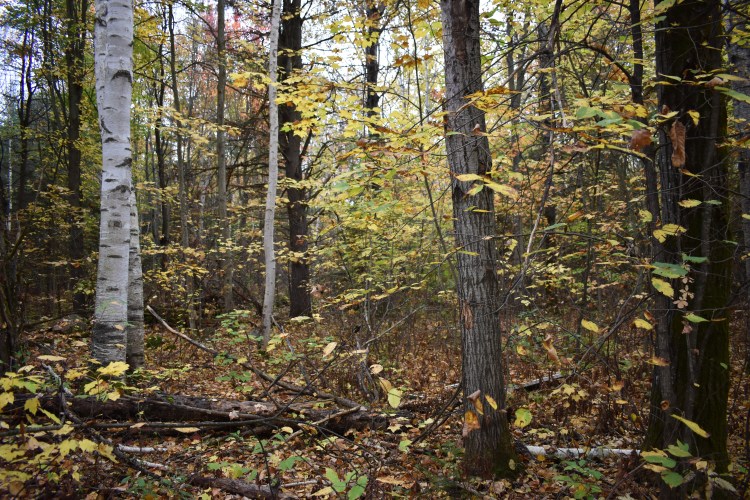


Our property is coincidentally connected to a number of open fields, so we’re hoping to purchase some more land to make things a bit easier! We shall see what happens.
 Rainbow River Alpacas