
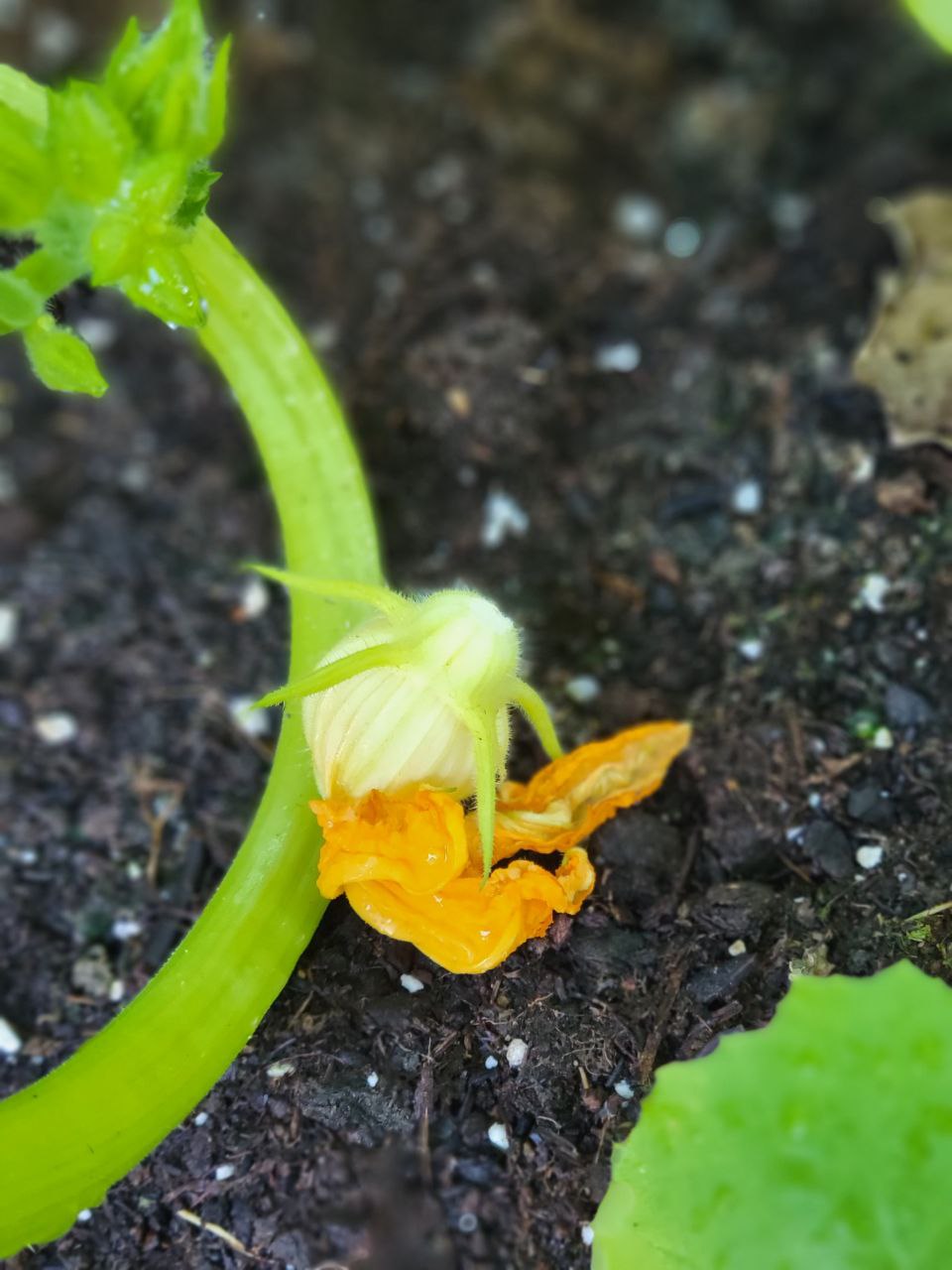
It’s been a month and a half since our initial post about building out our vegetable garden so I wanted to give you a bit of an update. If you didn’t get a chance to read the initial post, and you’re interested in garden planning, take a moment to read it HERE (Building our Vegetable Garden).
Quick Review
For those of you who read the initial post and just want a reminder before we dive into updates – This quick review is for you!
In May we purchased Vegepods to setup in our yard. These are raised auto-watering beds that have a pest shield and are perfect for people like us who weren’t ready to go messing around trying to build our own garden beds. We also started our seedlings indoors and once they were hearty enough we transplanted them outside in June.

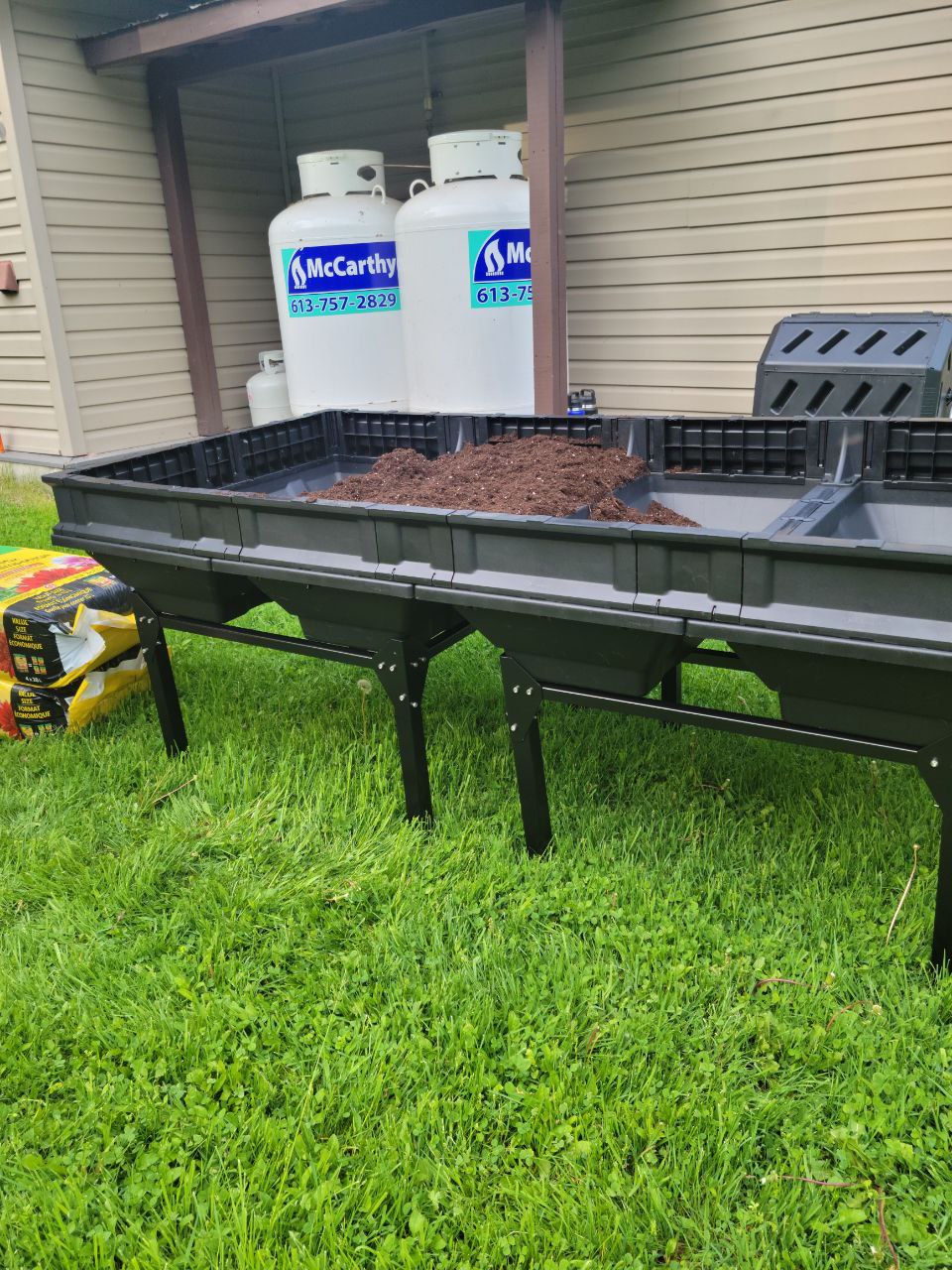
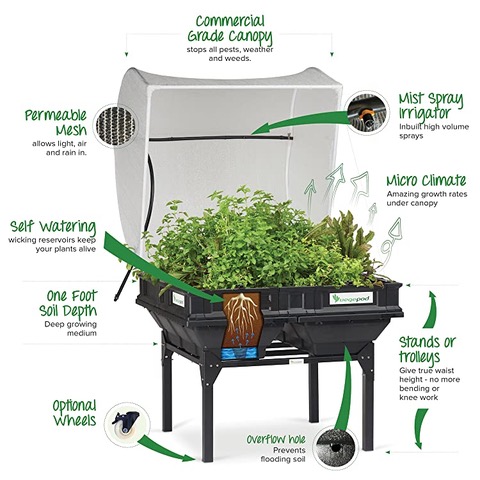
In late June we transplanted our early June starts as well, completely filling both of our vegepods with seedlings.
We were super ambitious and thought we were going to be able to immediately grow and learn husbandry for the different plants on the fly. We weren’t exactly right about that, but ever the learn-by-doing kind of folks, we marched on!
One thing I didn’t expect was just how much I was going to love gardening. It’s become a bit of an escape for me, going out, checking the plants, harvesting and eating the literal “fruits” of my labour. I feel more connected to this earth and my body than I ever have, and as someone recovering from an eating disorder, that’s super powerful!
The Update
Gardening is hard. That’s something I really didn’t take seriously before, but it is. Advice someone gives you might have worked for them and not at all for you, or you might have a really strong couple of weeks only for something small to decimate your crop or seedlings.
We started with a lot of seed starts, some were successful and some became learnings for next year. The rest we kind of gave up on after we couldn’t get the starts to sprout at all. Through it all, we also learned some general gardening tips.
Successes
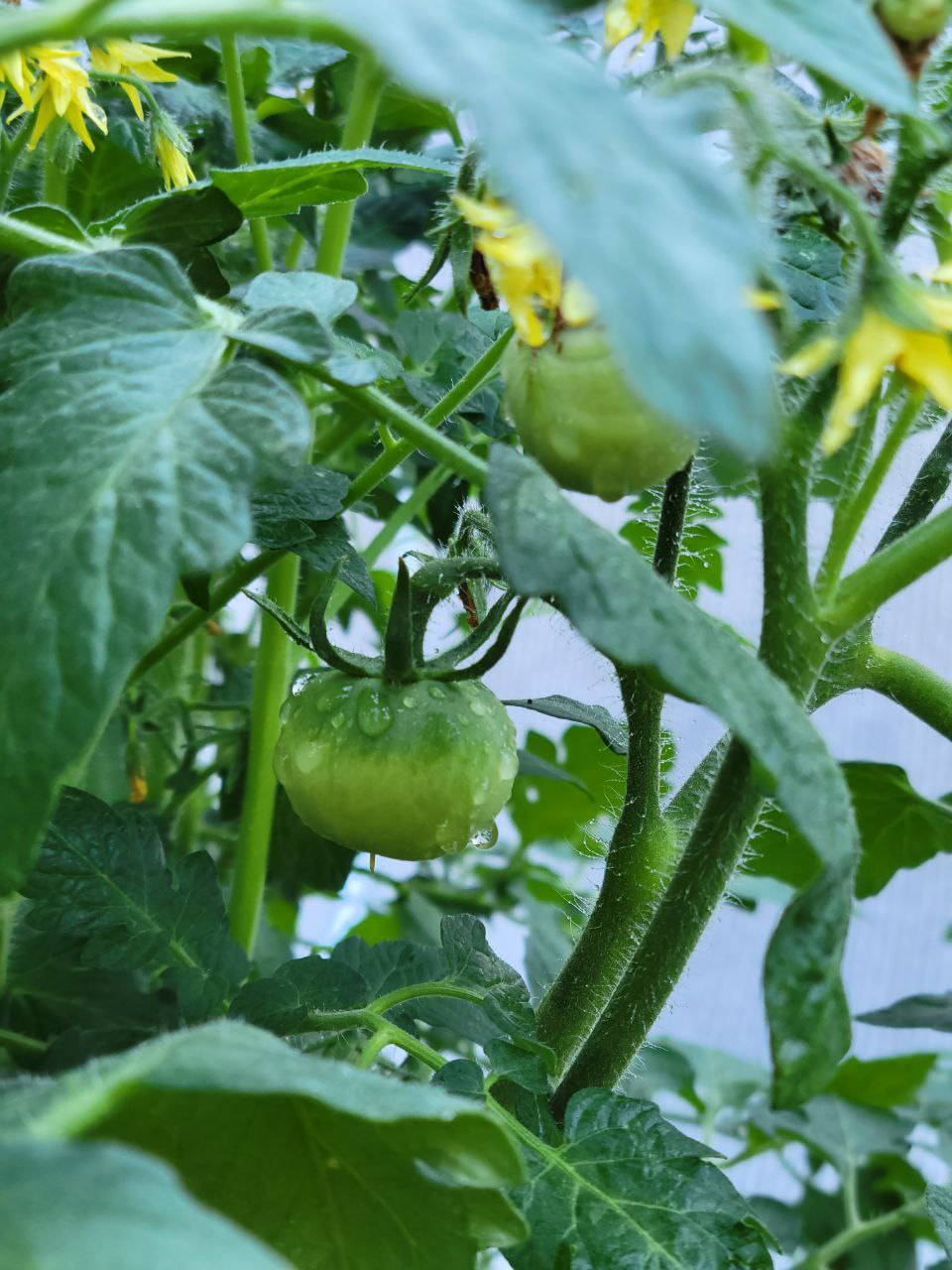
Tomatoes
Tomatoes grow tall and they really need a supportive trellis at the beginning while they fortify their stem strength. We purchased some gardening wire and used that to “tie” them to the trellis to help out and then removed them as the plants thrived.
Peas
Peas are a later start and fairly easy. They grow upwards and need trellises like tomatoes, but they vine out and grab on by themselves. Water and sunlight, ba-da-boom, ba-da-bing… peas!
Pumpkin
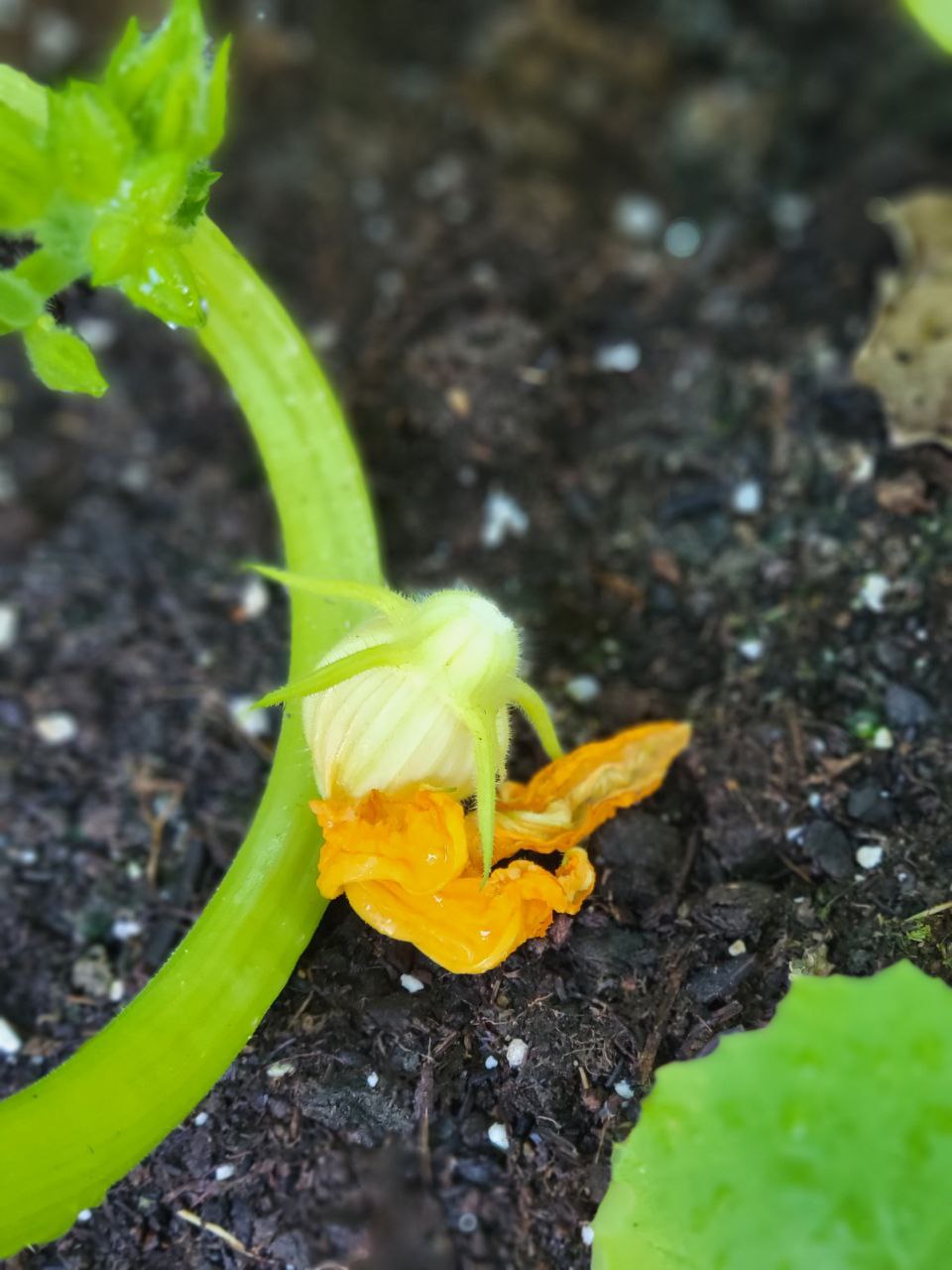
Pumpkins make vines. That’s something I feel like everyone knows, but only when you’re actually growing the plant do you realize that pumpkins REALLY vine. They need a ton of space. We started with 8 pumpkin plants, they were really hearty, but they ran out of space and we had to get rid of half of them.
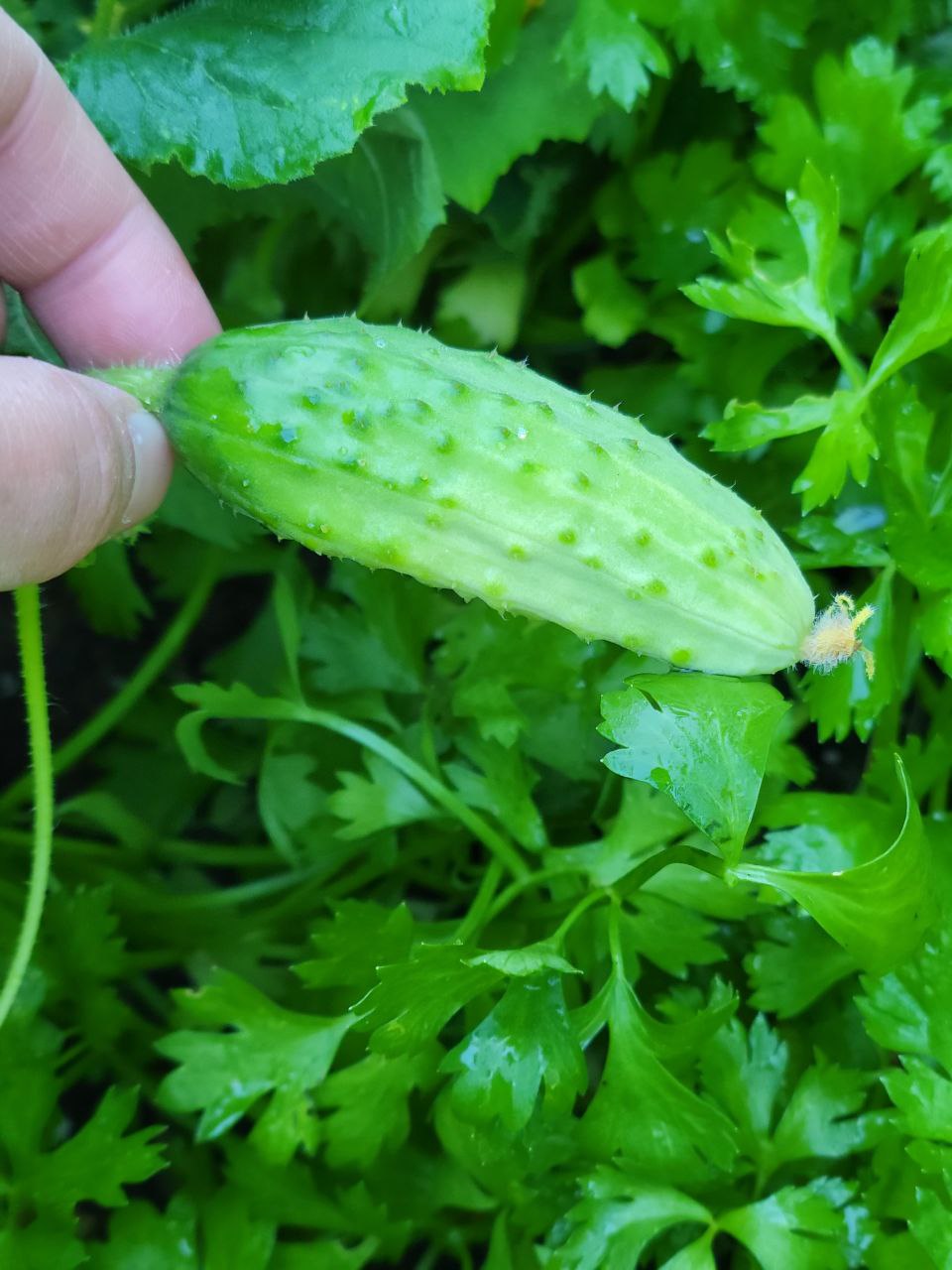
Cucumbers
Similar to pumpkin, this is a vine species. They need a lot more space to crawl along the bottom of your garden bed than we anticipated. We ended up ripping out the failed celery (see below) to give it more space.
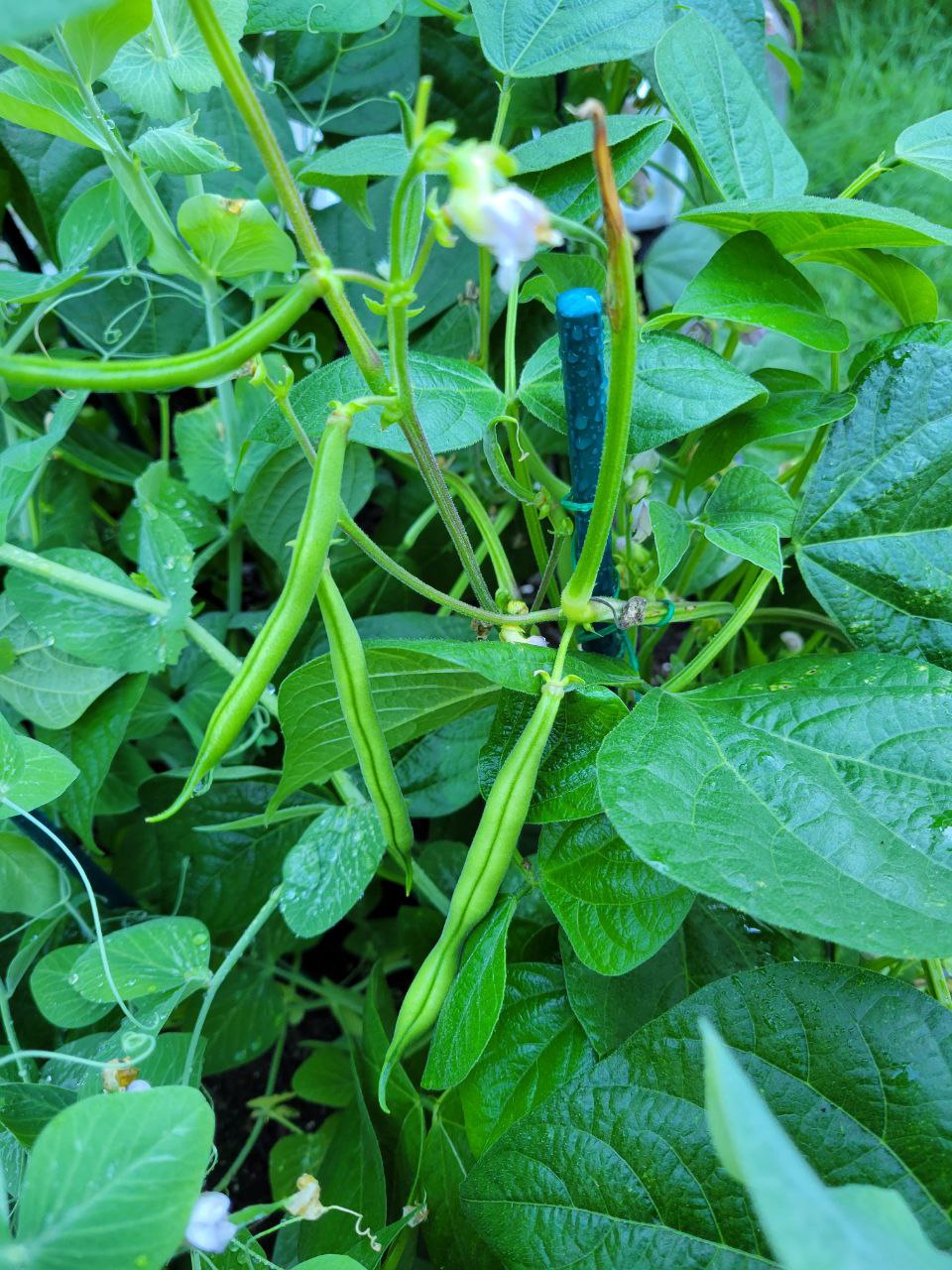
Beans
Much like peas, they were a later start but they grew quickly and once transplanted they grew a lot faster than I thought. It felt like one day we were checking on seedlings and the next we were harvesting a bowl of beans. And they have purple flowers; so cute!
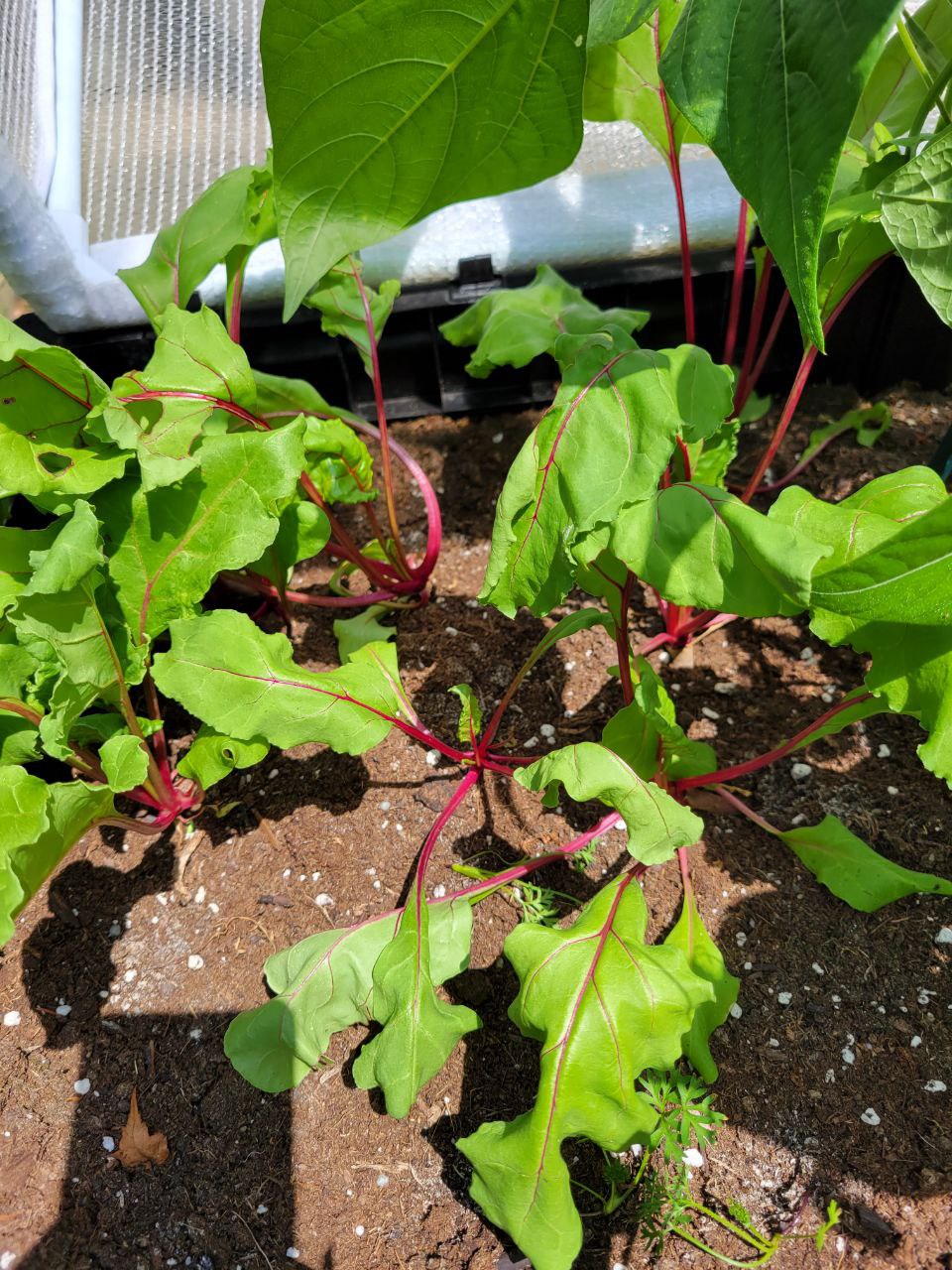
Beets
We weren’t sure about beets. I’ve only eaten them once. But they thrived! It’s super important to prune the tops a bit to make sure that the root is absorbing the bulk of the nutrition, but not all of the leaves because of photosynthesis (how the leaves use sunlight to feed the plant).
Green Onions
Honestly, super easy but they take a long time from seedlings. The best way here is actually to purchase a bundle of green onions, use the top and then replant them for reusability. They will continuously grow!

Learnings
Celery
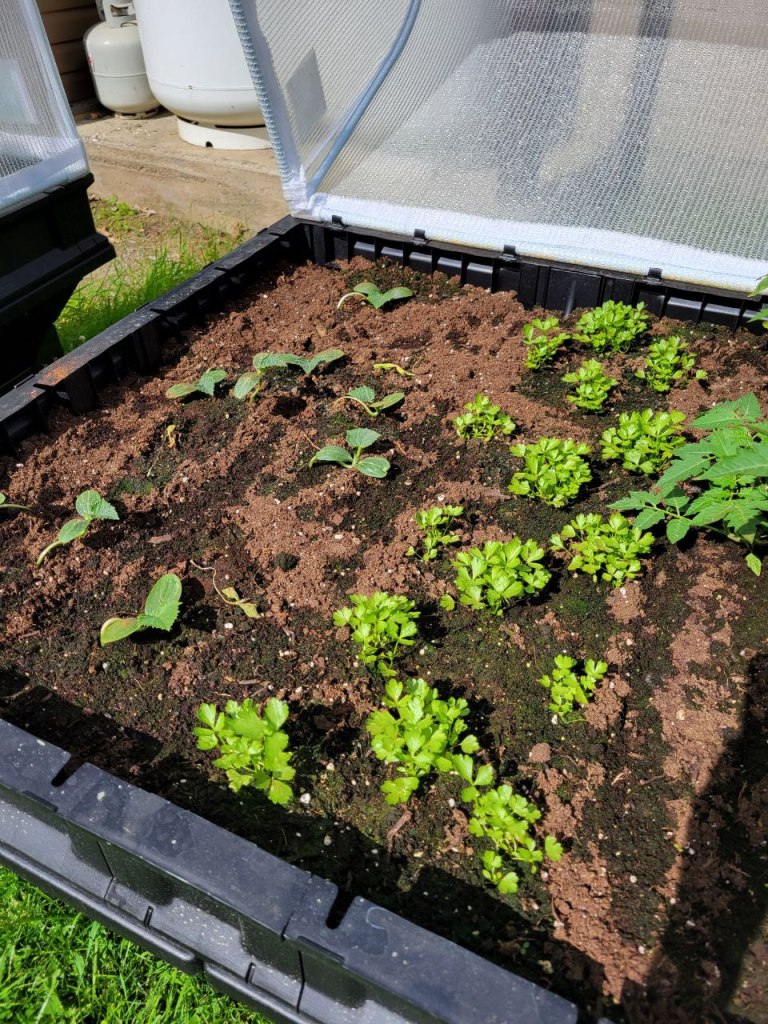
Celery is confusing. The seeds are really small. When you plant seedlings you often put a couple of seeds in the spot to germinate and then you keep the strongest plant. What’s confusing about celery is that when multiple seeds bloom it kind of just looks like … Celery, but little. We didn’t know we had inadvertently crowded their spots until it was too late and we had many heads of celery intertwining and growing wild. We ended up culling them for the sake of our cucumbers.
Lettuce/Spinach/Kale/Cabbage/Cauliflower
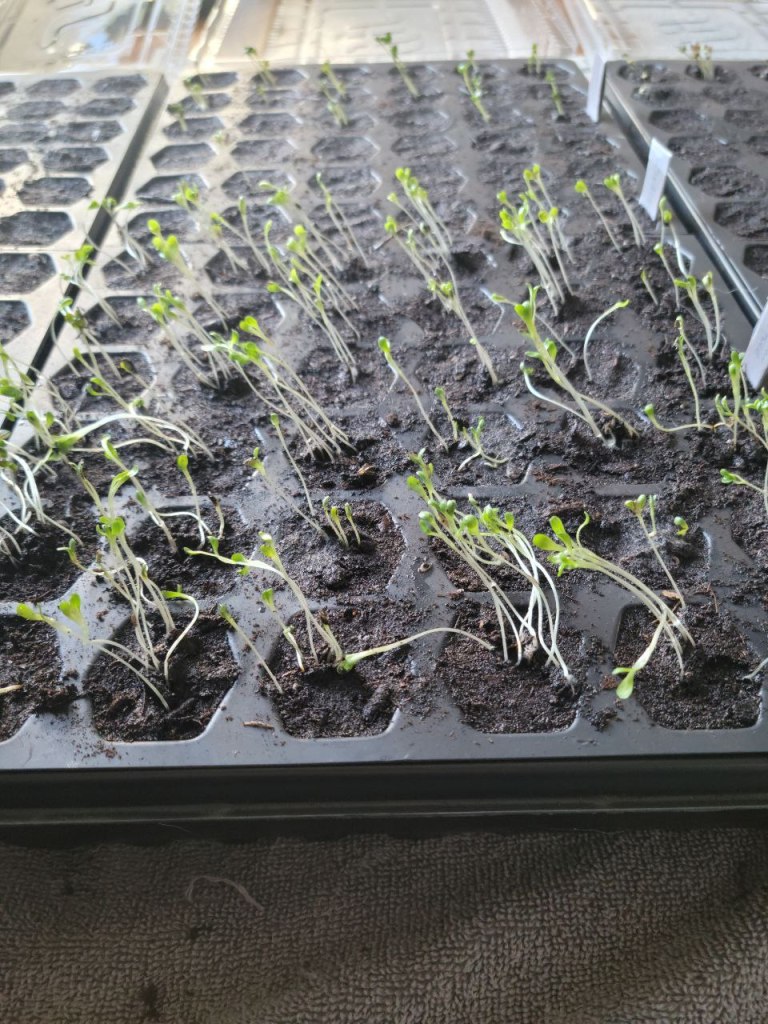
You would think that these leafy greens would need a lot of water. At least, we did! We were so excited when they sprouted immediately… But they didn’t stop growing. They became super whispy and tall and unfortunately there was no redeeming them into the stockier plants that they should have been. We were using a self-watering tray. Next year we will likely just start these a bit later directly in the garden bed and water daily as needed.
Carrots
Carrots are similar to beets but they are definitely easier to kill. We read somewhere that pruning their tops was a good way to get the root to grow. All it did was kill our plants. Carrots are delicate. We’ll try again next year.
Garden Algae
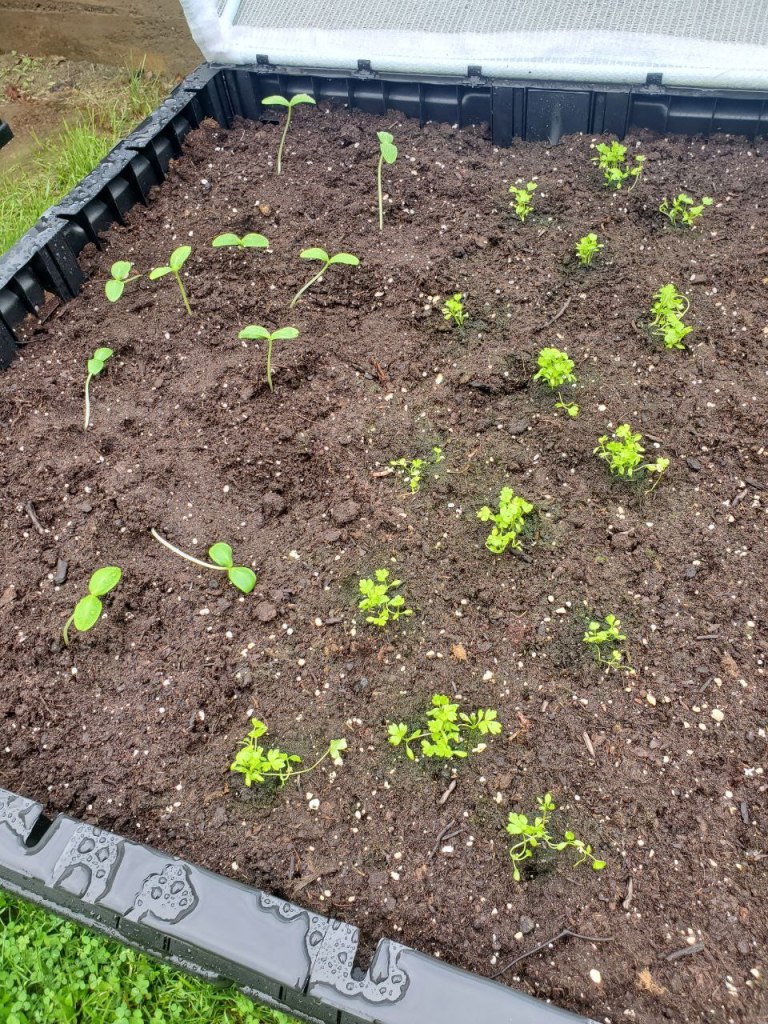
We were wholly unprepared for this. I didn’t even know that algae could grow out of water and on soil, but it can! And it grows quickly. See the picture below to see what it looks like (around the middle celery plants). We noticed this algae and then the next day almost all of the soil on top had a green tinge. It was a pain to clean and involved a mix of sprinkling cinnamon on it (it kills algae, who knew!) and removing whatever chunks we could without harming our seedlings. The algae comes from overwatering, so be careful and make sure your soil is damp, not wet, especially if it’s going to rain.
Hands Off
As tempting as it is, unless you’re pruning dead leaves or suckers, keep your hands off your plants! I was feeling a beet the other day and I accidentally felt too low and de-rooted it. It died. Sad day.
That’s it for this update! We hope you’ve enjoyed. For more frequent updates, make sure you follow along on our instagram. We post stories and updates there regularly!
 Rainbow River Alpacas