Farm Business Planning

One of the most important parts of starting any kind of business is making sure that you have a plan that lends well to not only operational functionality but financial security as well. Coming from a background working in business, I definitely thought this would be an “easy” part of starting the farm for me, but I was wrong. There’s a lot of things I didn’t know and am still learning as I continue to work on our business plan (for the last 6 months). 

Types of Farms

When we were getting ready to start our farm venture we knew, of course, that we wanted to have alpacas. What we didn’t know was that there are SO many different types of alpaca farms and different ways to run them depending on the type you choose. This is your niche. You can choose fibre, agrotourism, breeding, clothing manufacturing, yoga, etc. The list truly goes on and on. For us, we really want to focus on fibre and eventually expand into agrotourism.
Yurts

When working on our business plan we had to really keep timelines in mind. We were originally thinking that things would be at least started by now but in truth things are taking a bit longer than anticipated. That’s actually helpful when it comes to planning; it lets me keep in mind that things change a lot so sometimes making a very specific plan isn’t as useful. Originally I thought we would have alpacas in 2022 and that our agrotourism plan would be in 2023. In reality, our alpaca plan is starting in 2023 and our agrotourism plan will be even longer than that.

Business Plan Elements

When I first started writing our business plan, truthfully, I pulled up documentation on the internet and said “oh that looks good” and added a bunch of different headings and plans to ours and then customized it for us and our farm. I also reached into the distant past in my brain all the way back to college when I wrote some business plans, and used some of that knowledge to populate our document.

These are some of the essential elements that we would recommend for your business plan with a brief overview of what information you should put there.

  • Executive Summary – This section includes things like your opportunity, the problem or niche you’re trying to address and also for us includes by-laws and zoning requirements that we have met for our farm.
  • Business Profile – This includes an overview, where you are, Mission, Vision, Values, Target Market, Competition, Value Chain, Goals and Key Performance Indicators.
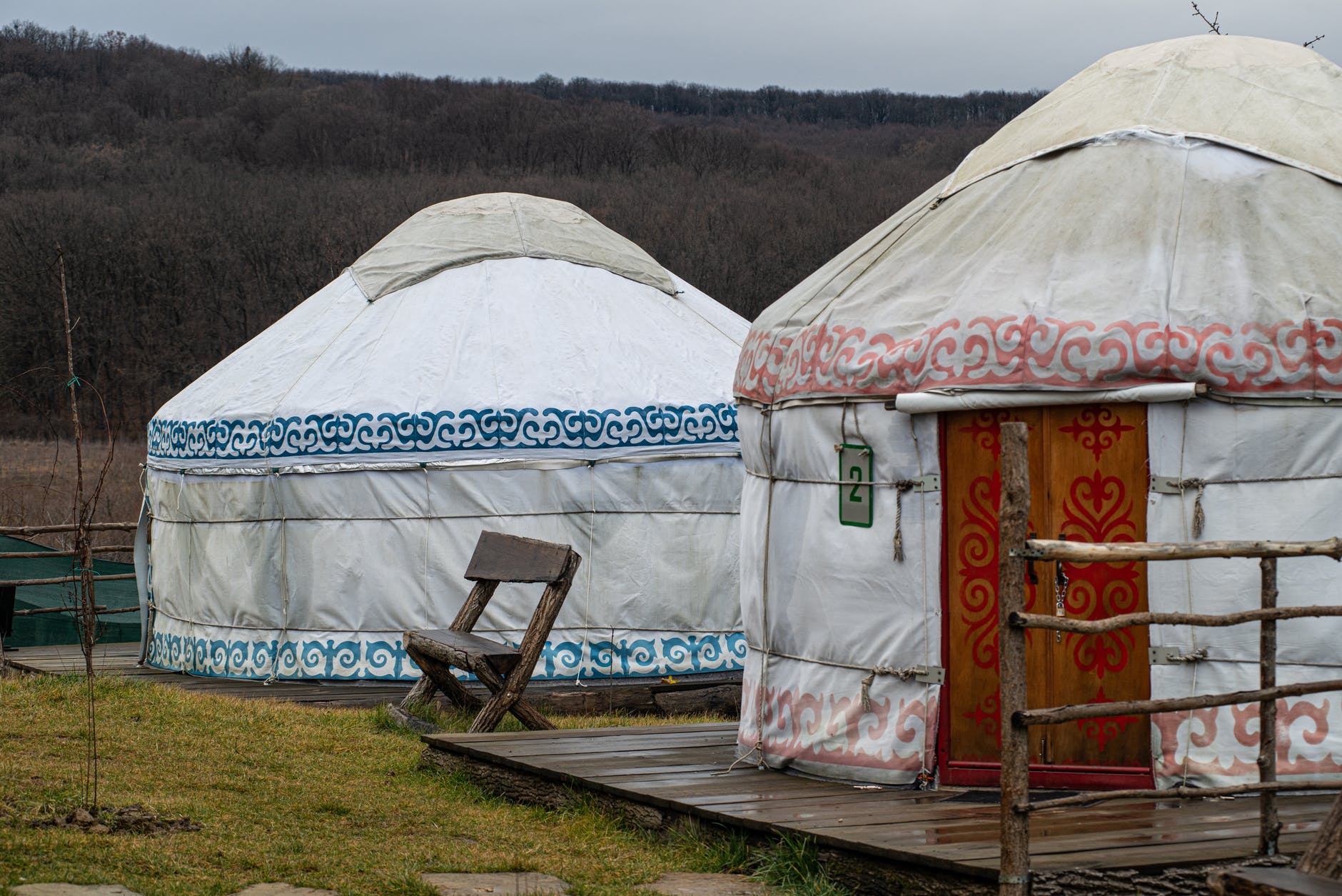
  • Operating Plan – This section should really include ALL of the planning you need to operate. For us it includes things like our barn creation, land purchase, plans for our yurts, alpaca fibre sales, Livestock operations and all of our suppliers. We’ve also included our Year over Year KPIs here.
  • Marketing Plan – This includes our marketing strategy and how we intend to keep up relevancy. For us, we will be leveraging social media quite a bit.
  • Financial Plan – Kind of speaks for itself but this should include your start up costs, year over year projections, profit and loss predictions, any financing and cash flow.

These are the elements we chose to work with. If you plan on making a store, you might include a section about retail and sales projections and mediums. You really need to tailor it for your different approach.
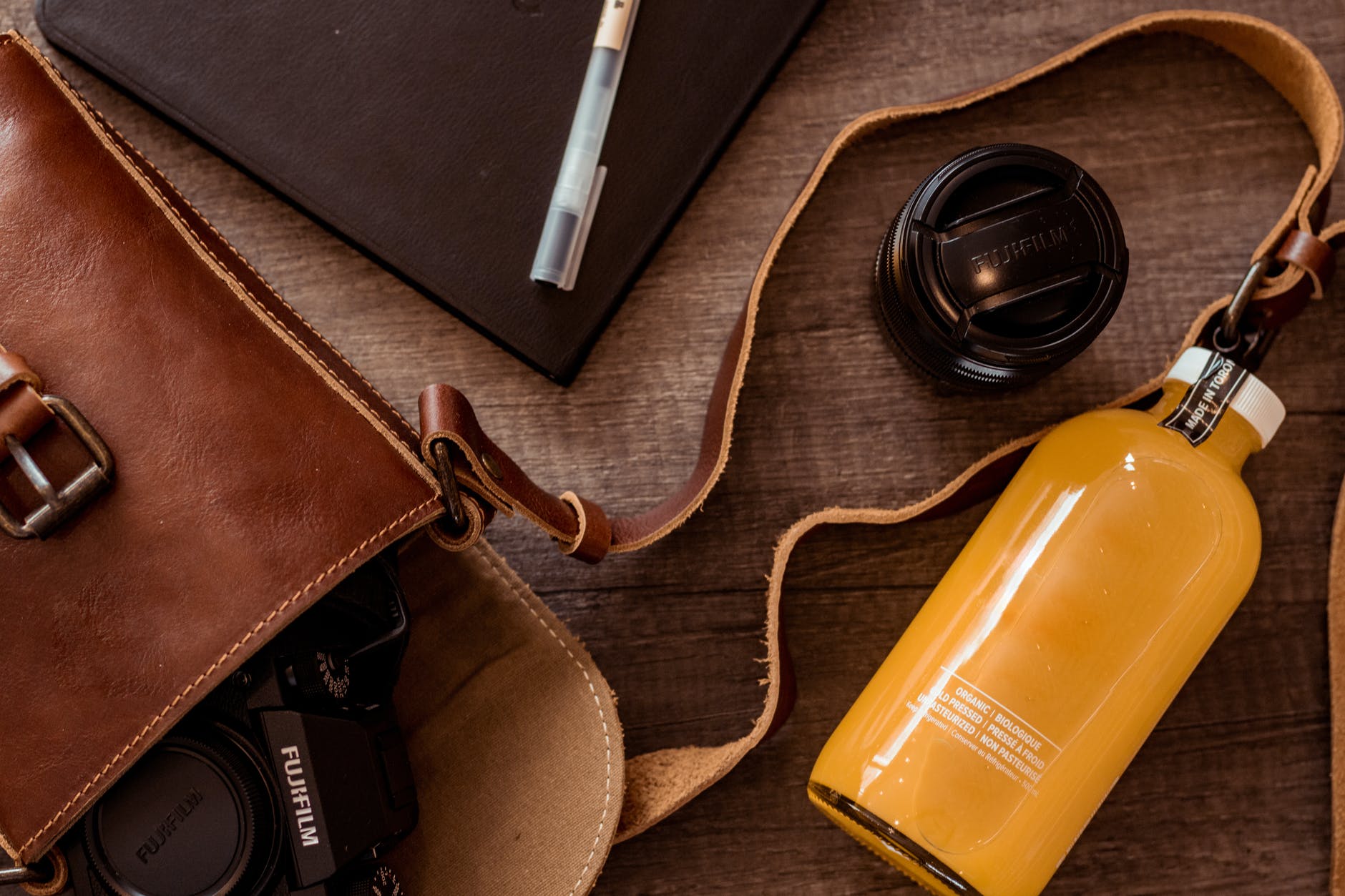
business portfolio

Annual Business Review

Like I mentioned earlier, business planning should definitely have a timeline and should be specific enough that you will be setup for success, but flexible enough that you can make changes as you need to.

Something that we plan on doing is having a “State of Affairs” meeting annually to go over our goals for the year, the accomplishments and shortcomings and to discuss any adjustments to our plan that we want to make as well. For example, it is likely that at some point we will be comfortable enough with farming that we may want to start breeding even though we are definitely not at that point now. Being able to be flexible and reviewing your plan and tweaking it annually is a recipe for success.

Success thumbs up

Later this week we will be traveling to the US to get some things from Sylas’ dad’s and then driving a U-Haul all the way back home. It should be interesting to say the least but we look forward to sharing more of a “day in the life” style blog next week.
Construction Update

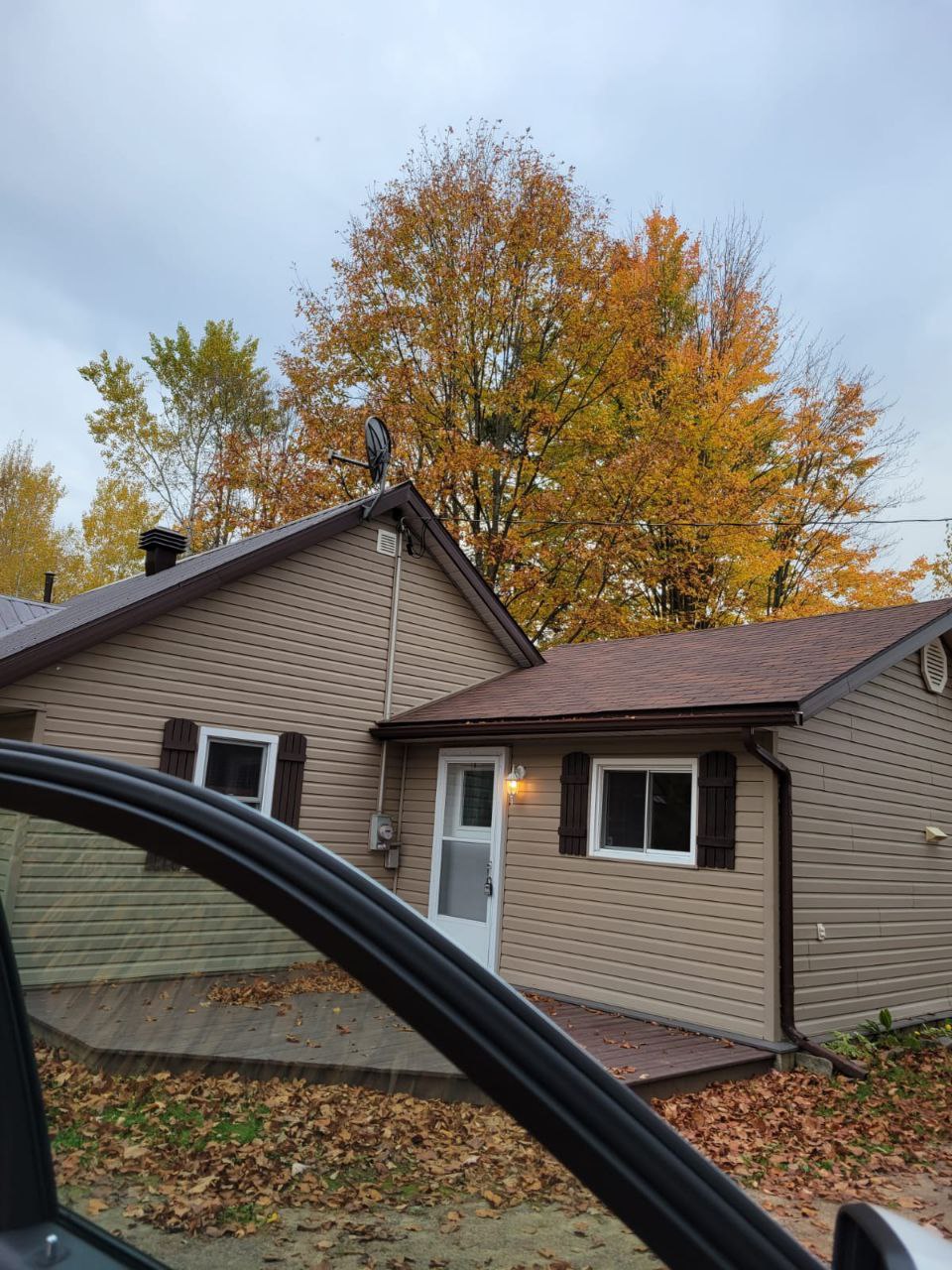
Sylas here! It’s been a busy time over here on the homestead. After a chaotic move in, we finally got the pod emptied and everything put in its place. With trenches being dug all through the yard, things are moving along in our renovations and construction, but there’s still some work to be done.

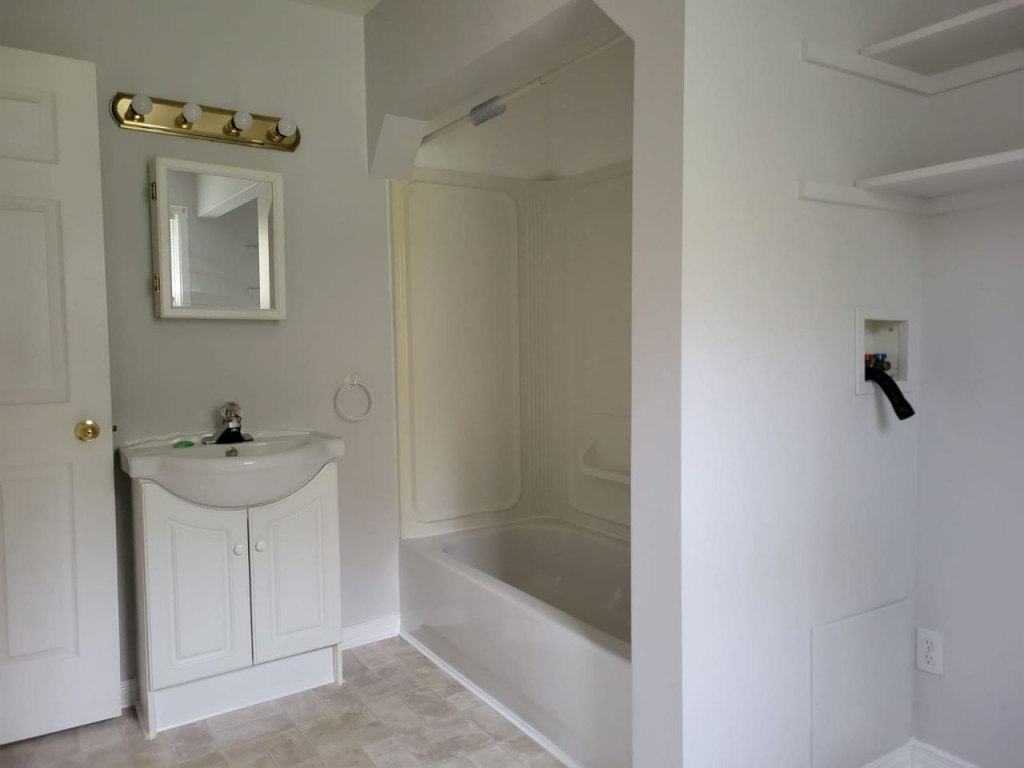
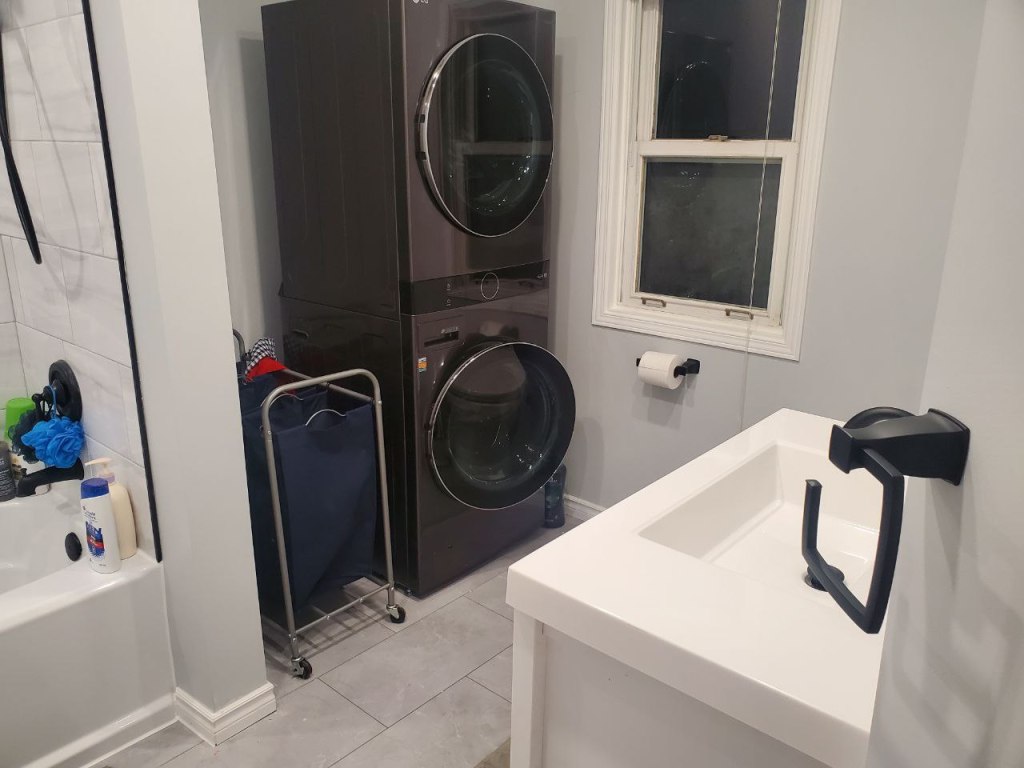
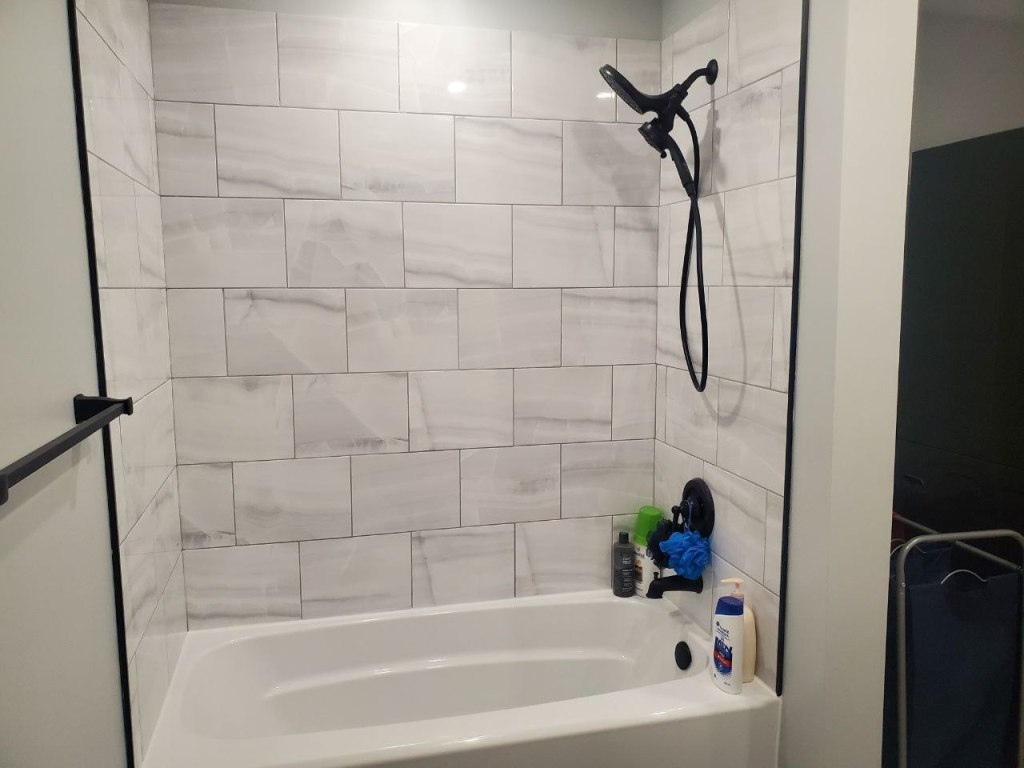
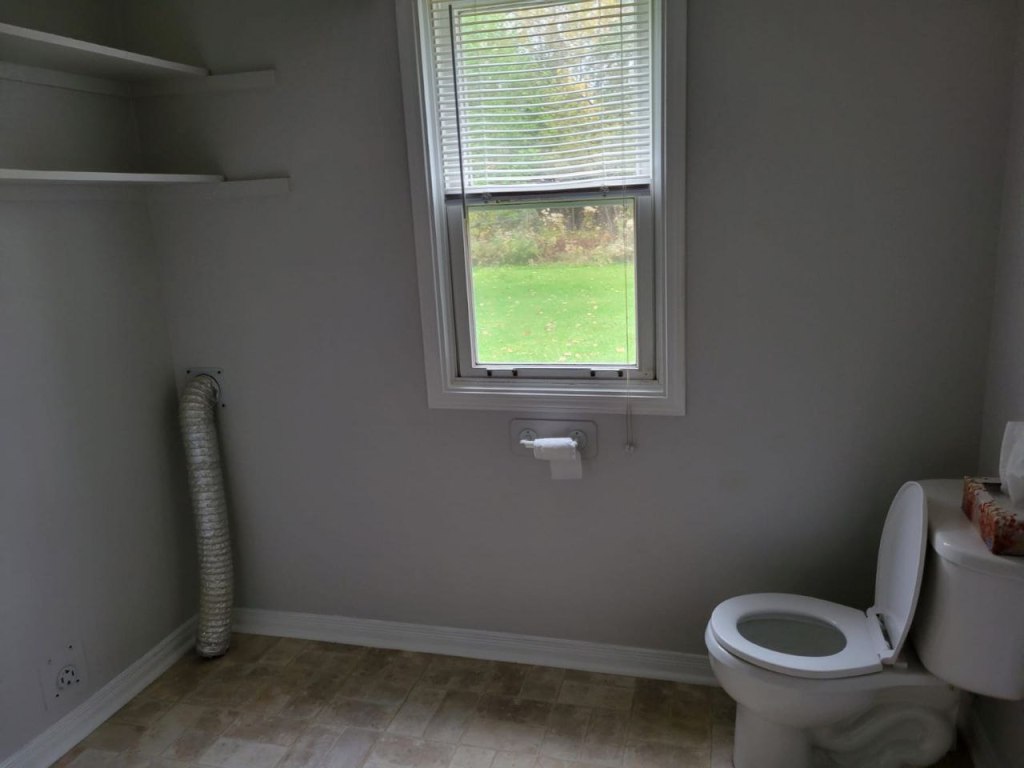
Rewinding it back to when we first got here, we had a toilet, but the shower and most of the interior of the bathroom was not done. We also didn’t have a washer/dryer. This was top of the priority list for things to get done, but after a few weeks, a shower at a truck stop, and a trip to the laundromat, we had a beautiful bathroom – it went from a drab and dim space to something that really stands out!

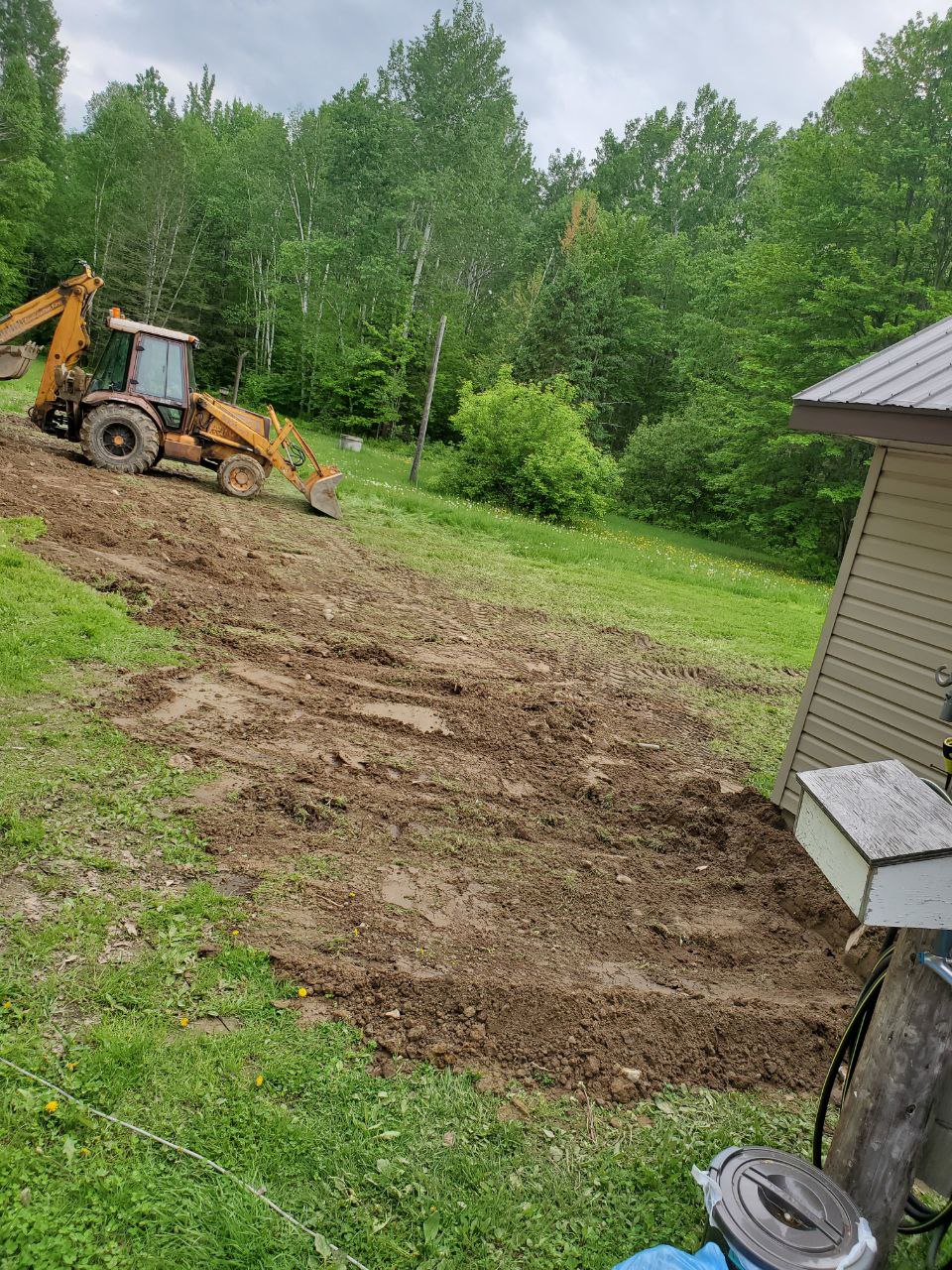
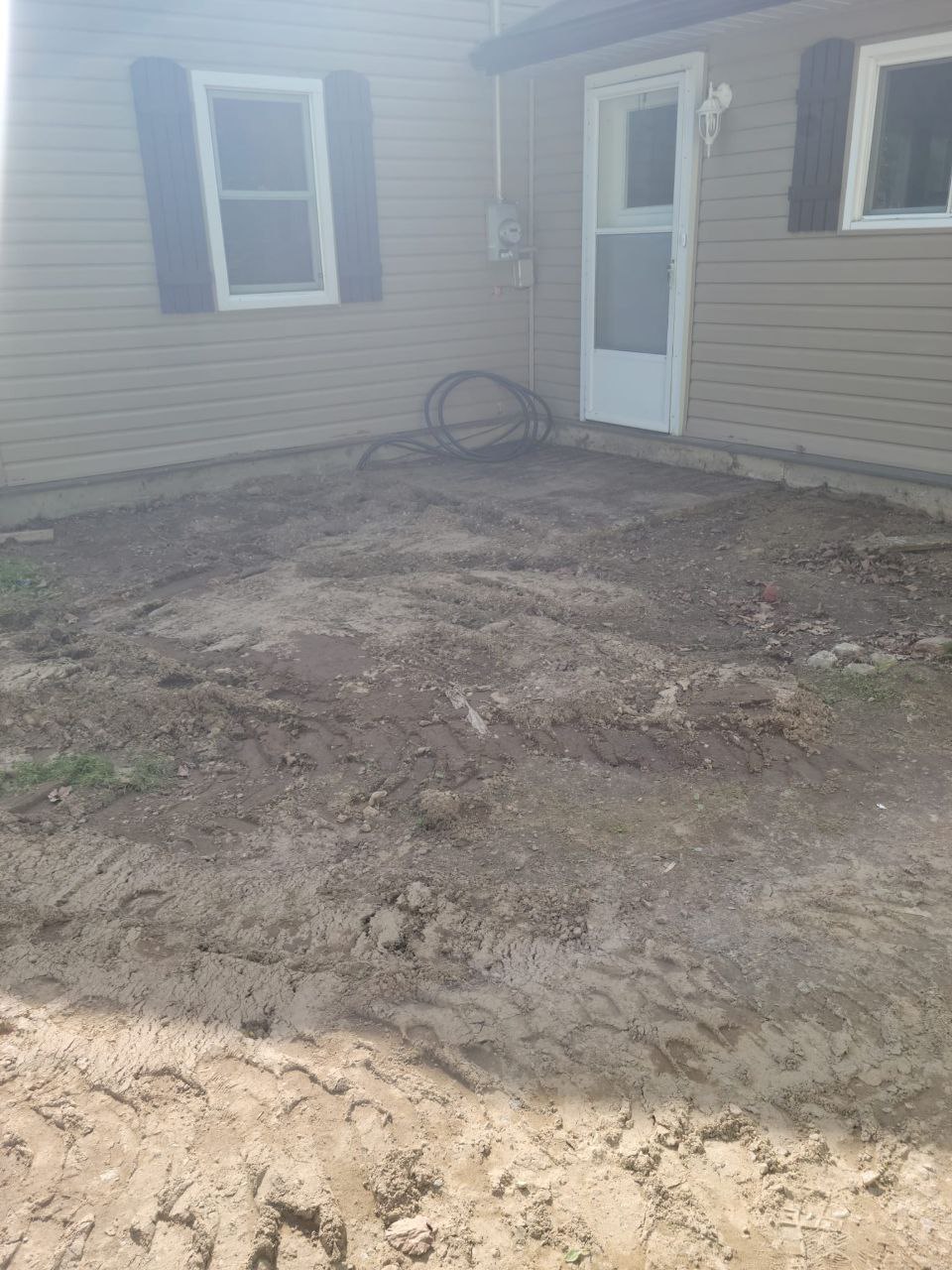
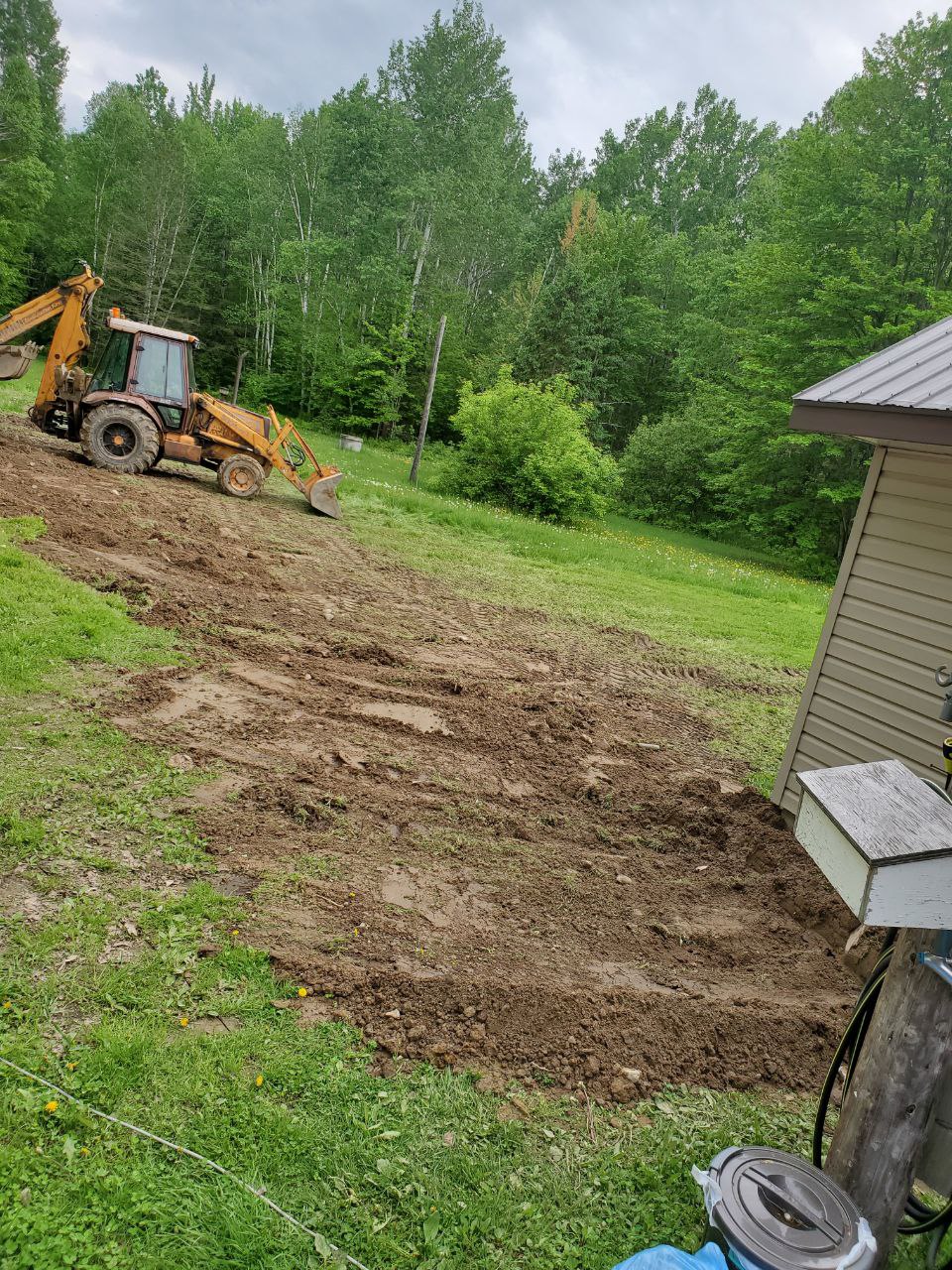
Next up was getting power and water to the garage/converted rec room, and this involved a lot of trenching work! The yard may be a mess, but the lines are run, and now we just need everything to get hooked up. Once we have that, we’ll finally be able to get things set up in that room, which includes Holly’s office, so it’s been a much anticipated space.

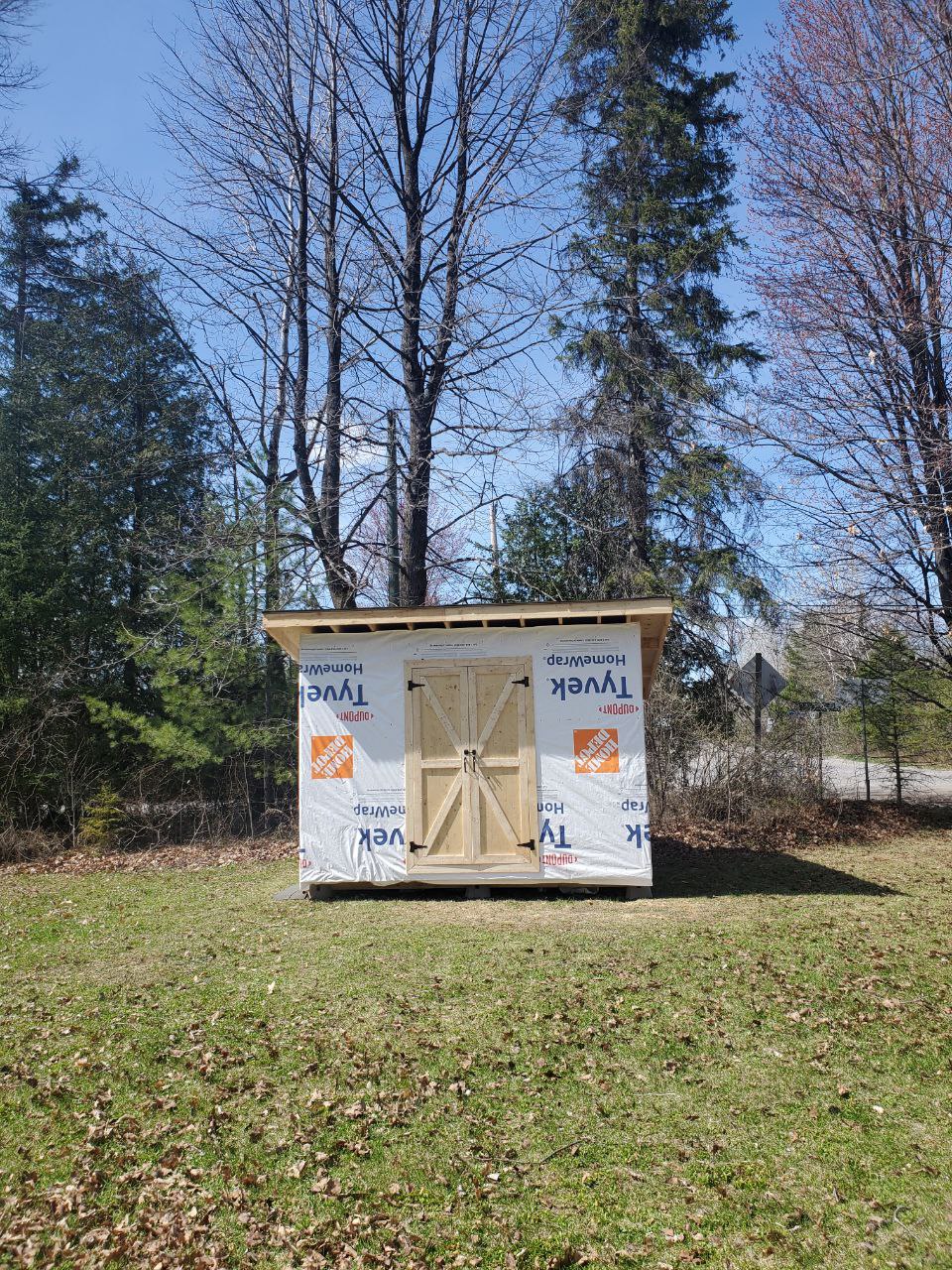
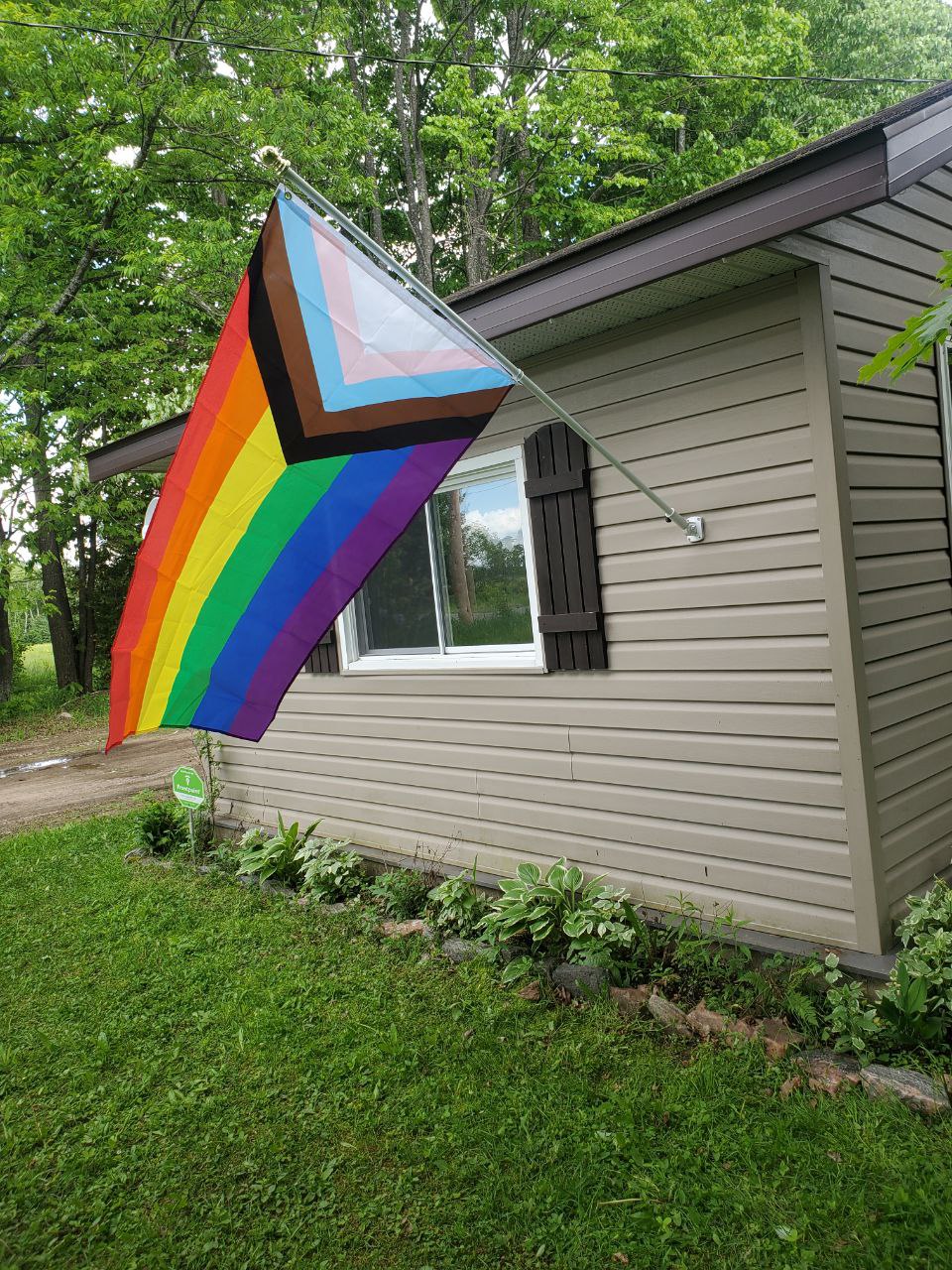
For other outside work, we finally got a shed built. This was one of the big needs to get the pod in the driveway emptied as we had nowhere to put any of our outdoor things. Once we had this spot for storage, we made quick work of some of the remaining boxes. Shortly after, they were able to pick up the empty pod, and we had our full driveway back! The next thing for the driveway is leveling and gravel so it doesn’t turn into a mud pit after a good rain. And since it’s Pride Month, we thought it was a good time to get our pride flag up too!

So what’s left? We still have a lot on the list! We will be fencing in about an acre of the property for the dogs, and along with this, we are building a deck that connects the house back door to the rec room door, so we have a nice and clean pathway between the two spaces. Something we’re also planning to tackle within the fenced area is a fire pit area – this is something we’d like to try and do for ourselves. As the summer heats up, we definitely have central air on the list as well.

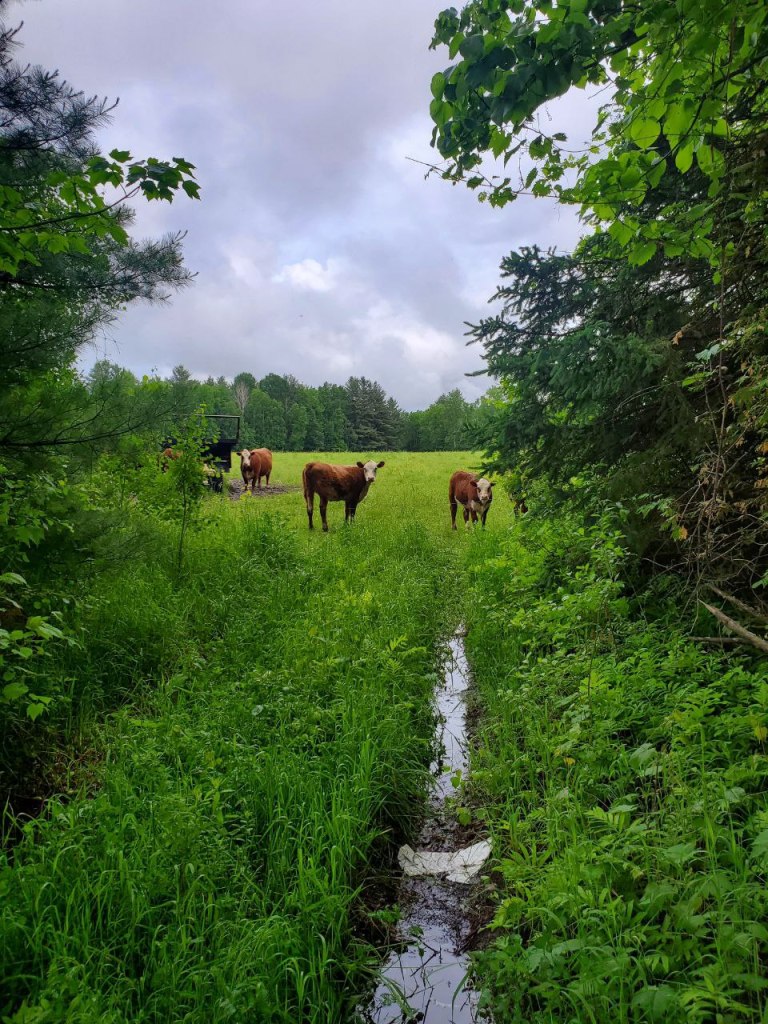
Finally, we’ve made some headway on the land next door, and we’re getting ready and primed to finalize making it ours. For now, it’s home to some friendly cows who like to say hello at the end of our driveway.

Farm Fail Friday: Animal Fugitive

Welcome back to another edition of FARM FAIL FRIDAY. It’s been a while, but hopefully this can be a hilarious little story to make your Friday a bit brighter heading into the weekend.

We’re adjusting really well to living in the country. The one thing that’s a bit of a challenge is that we don’t have a fence yet. With two dogs, this poses quite the challenge, because we have to leash walk them considering there’s a cow farm next door that is just a LITTLE too enticing for them. We’ve always been afraid that our animals would escape, especially when we lived in the city and had a broken gate latch on our back fence, and we were propping it shut with an old BBQ. But, surprisingly, it never happened, maybe because Bo is a scared dog and doesn’t like being away from us, or maybe because they didn’t want to challenge the fence. But that’s just not true out here. We’ve got a special guest here this week, Sylas, to write about our first time “losing” one of the dogs.

The Escape

As anyone with a husky will know, they are smart, they are fast, and they are sneaky. We were just coming home from grocery shopping, so we were having to come in and out of the house with our arms loaded up with bags. Cue the door being open for just long enough that curious Luna decides it’ll be a great time to go for a run outside. We had only adopted her just a few weeks prior, so she wasn’t very good at listening to us, and we weren’t even sure if she’d want to or be interested in coming back. She was just starting to really show her personality and be less shy with us, but the outdoors was calling to her, and we weren’t sure if she understood what home was.

So I, Sylas, go after her right away because, she, of course, takes off into the woods. I had eyes on her for a bit, but I didn’t even have a proper coat or boots on – did we mention it has been snowing and there’s about 2 feet of snow on the ground? So I had to get properly outfitted before trekking off into the cold. Holly wrapped up taking in the groceries because we had frozen and cold stuff, then took to walking up the road and around the front of house, so we had both directions covered. By the time I made it to the woods, I had no sights on her at all.

I was crunching through snow with each step as I called out to Luna and went deeper and deeper into the trees behind our house. There are also fields beside the trees, so I would be able to see if darted out there somewhere. There was even one point that I saw a bunch of vultures circling something, and I had a moment of a panic that something had attacked her – it ended up being a deer, so all was good, and the search continued. I had been walking through the woods for maybe 30 minutes to an hour when Holly texts me that she just saw Luna on the road, but she just keeps running away. I turn around to come back, and sure enough, by the time I make it back to our backyard, Luna is doing some circles between the front and back of the house.

I grab some treats from Holly, and between the two of us, we somehow manage to lure her close enough to us that I could grab her collar and clip on the leash to lead her back inside. It was a very stressful nearly two hours, but we were just so happy she had decided to come back and didn’t just keep running to who knows where!

Animal Tracking

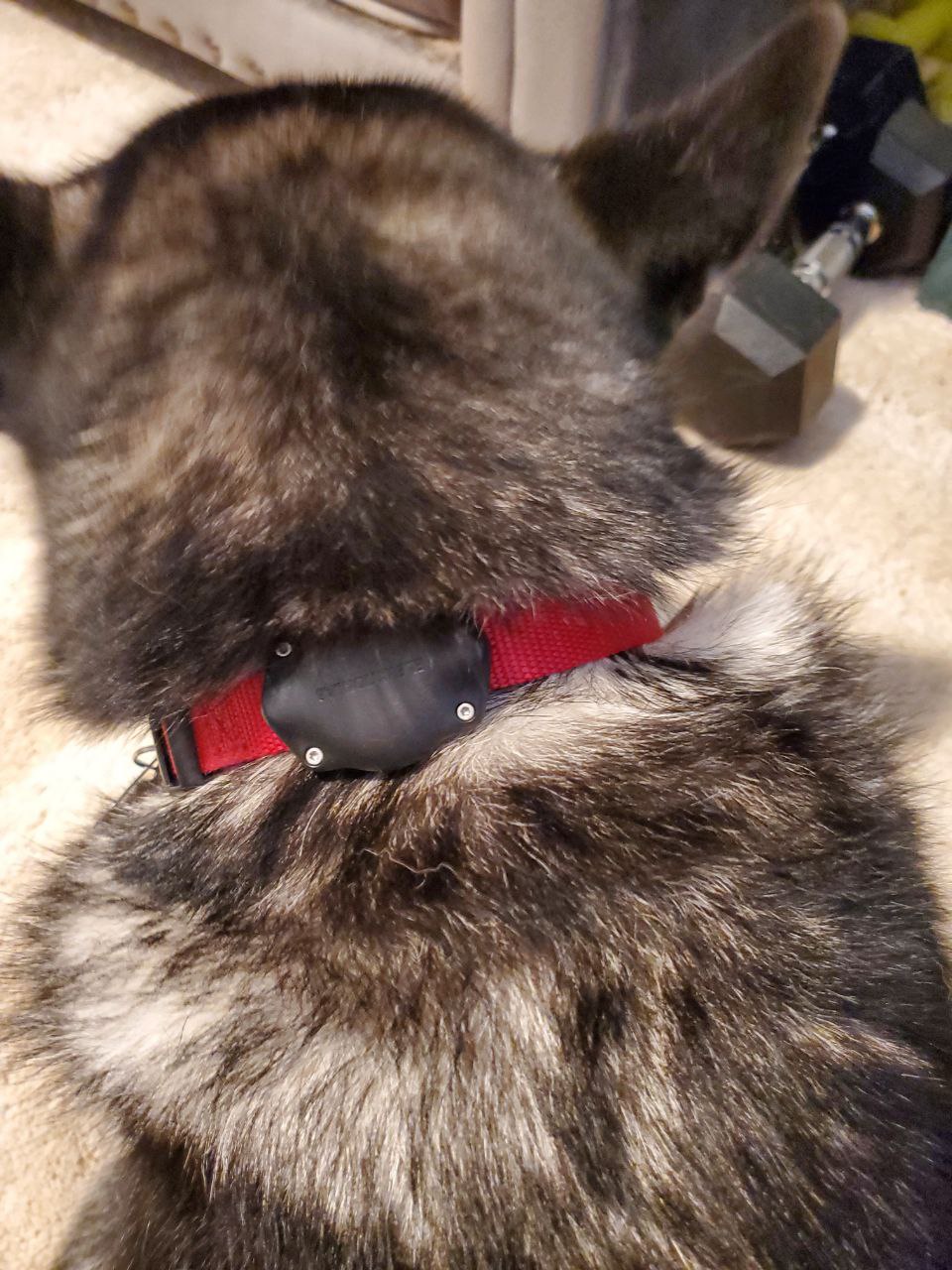
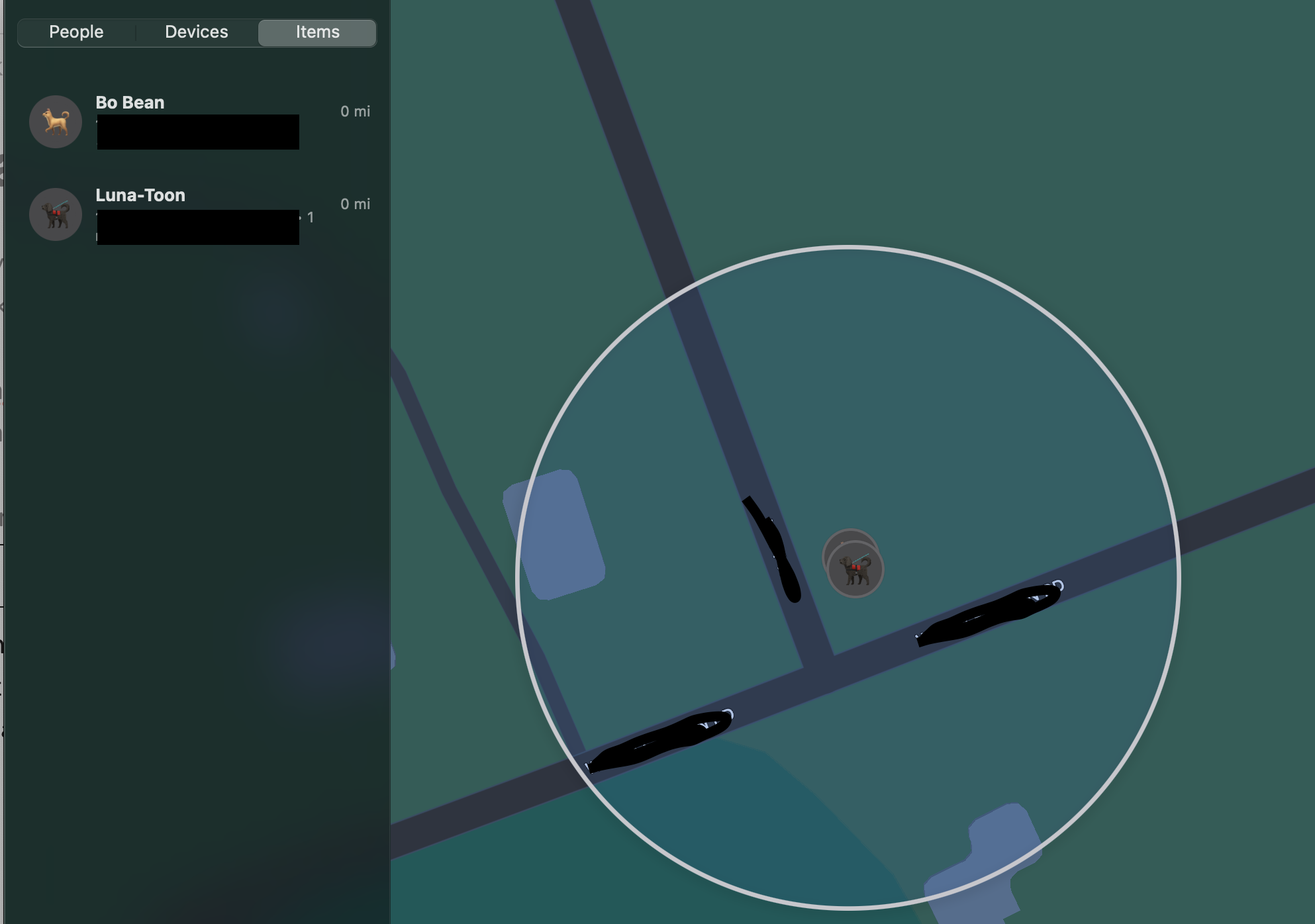
Obviously this was really scary for us, even if it is hilarious in retrospect. We immediately started looking up ways that we could track the dogs so that if they did escape again, we would be able to track them and find them. We came up with the idea of using Apple Airtags, because I have a Macbook and iPad that I use for writing and purchased some waterproof collar clips for them.

Apple Airtags are a bit pricey, but the positive is that they just work for what you need. For more information, visit Apple’s site.

Setup was really easy and involved literally pulling the battery start plastic out of the Airtag and holding it up to my computer. Once they were configured, it was easy to put them into the collar clips, and now we have peace of mind and always know where the dogs are so that something like Luna’s escape doesn’t happen again!

Building our Vegetable Garden

It’s been a little bit since our last post, sorry for the delay! We went to Mexico with some friends for a well-needed and 3-years-in-the-making vacation. It was a wonderful time except for the fact that we both got sick after (not COVID) and have only just started recovering enough to be able to post. Luckily the delay means we have so much more to share about our garden with you!

One of the things that we knew was essential to us living a productive and sustainable life on the farm is being able to grow our own food. That said, Sylas and I have never grown anything from scratch in our lives. We didn’t even know what to do about getting seeds, never-mind how to plant them after starting them indoors.

The entire process of learning, technically, what to do took me over a month. I googled planting in Ontario to see the best timeframes and then I had to come up with a plan.

Planning

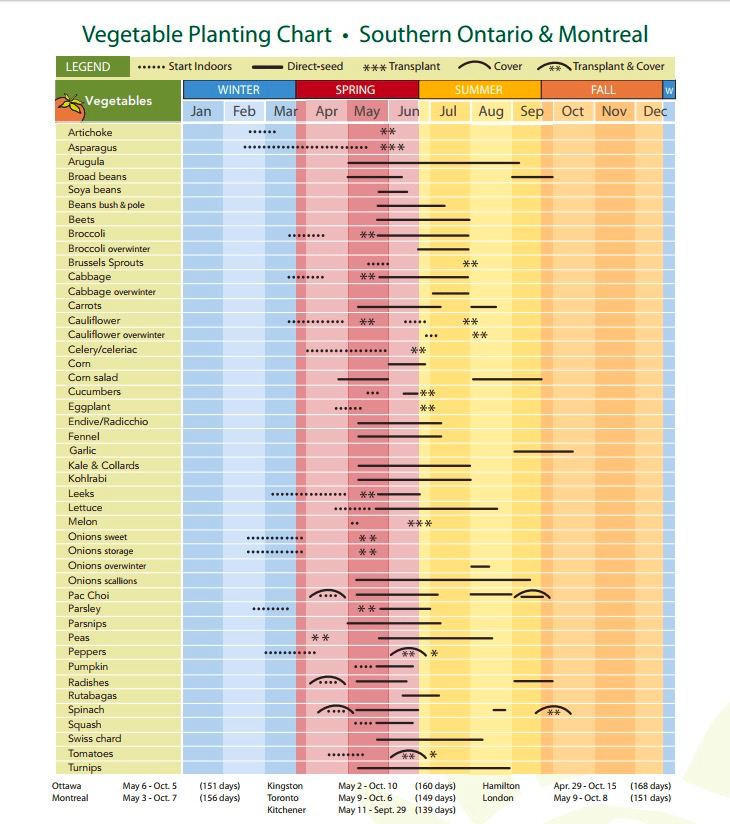
When it came to planning for our garden I literally had no idea what I was doing. I was able to find some Ontario specific resources that made it easier to plan what types of vegetables but I didn’t even know how to purchase seeds. I found this chart, I don’t remember where, but it gave me a good idea of what plants thrive in Ontario and when to transplant them outside. This was for SOUTHERN Ontario, but what can really be that different right since we live close-ish to Montreal? (That probably sounds super naive)

Not my document

Seedlings

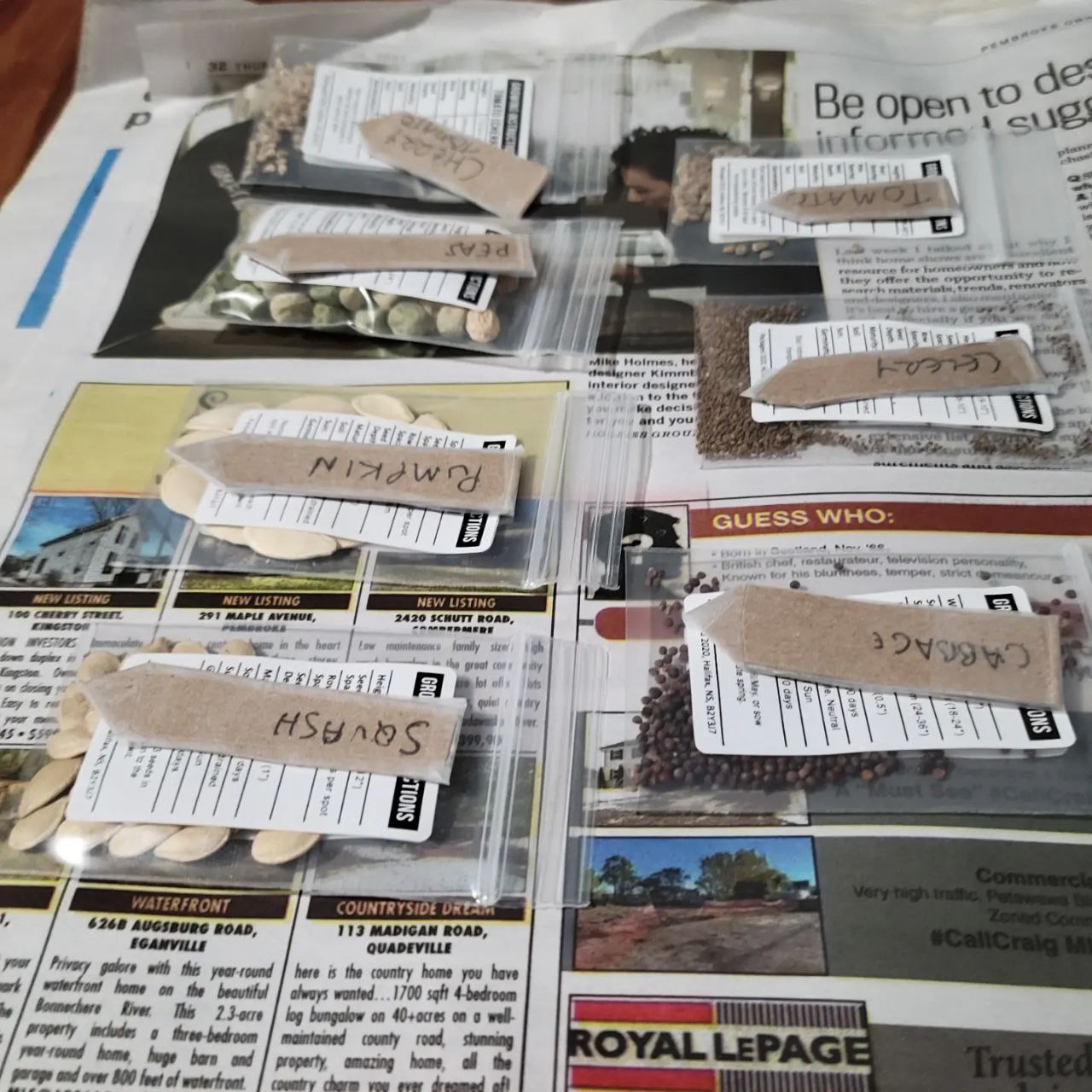
After I found this document I purchased seeds that matched the kinds of vegetables I wanted to grow and made a calendar of when I would start them indoors. I decided on two batches as follows:

APRIL SEED STARTS
  • Cabbage
  • Cauliflower
  • Celery
  • Tomatoes
  • Lettuce
  • Peas
  • Spinach
  • Pumpkin
  • Zucchini
MAY SEED STARTS
  • Cucumbers
  • Carrots
  • Beans
  • Beets
  • Kale
  • Green Onions

We may also try to start some corn outside in June, but are currently undecided on that. We purchased some seedling trays to start them in and setup a shelf inside with lots of sun. More on that later.

Garden Beds

Once we had planned everything we needed to start the seeds, we had to start thinking about what kind of garden beds we would use. We were going back and forth between building our own raised garden beds or purchasing something that would be “better suited” and more likely to work out. Sylas nor I are that handy and are just learning to use tools or work with wood, so we ultimately decided to purchase some raised garden beds.

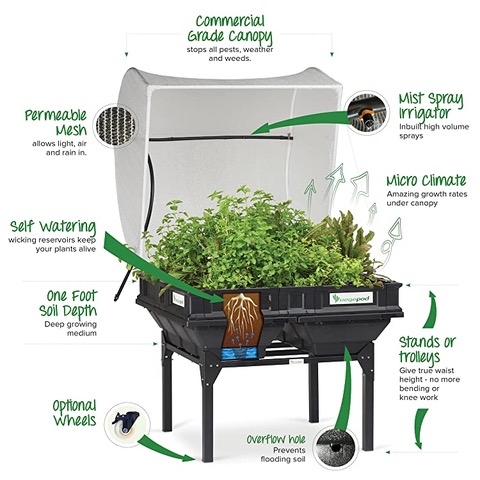
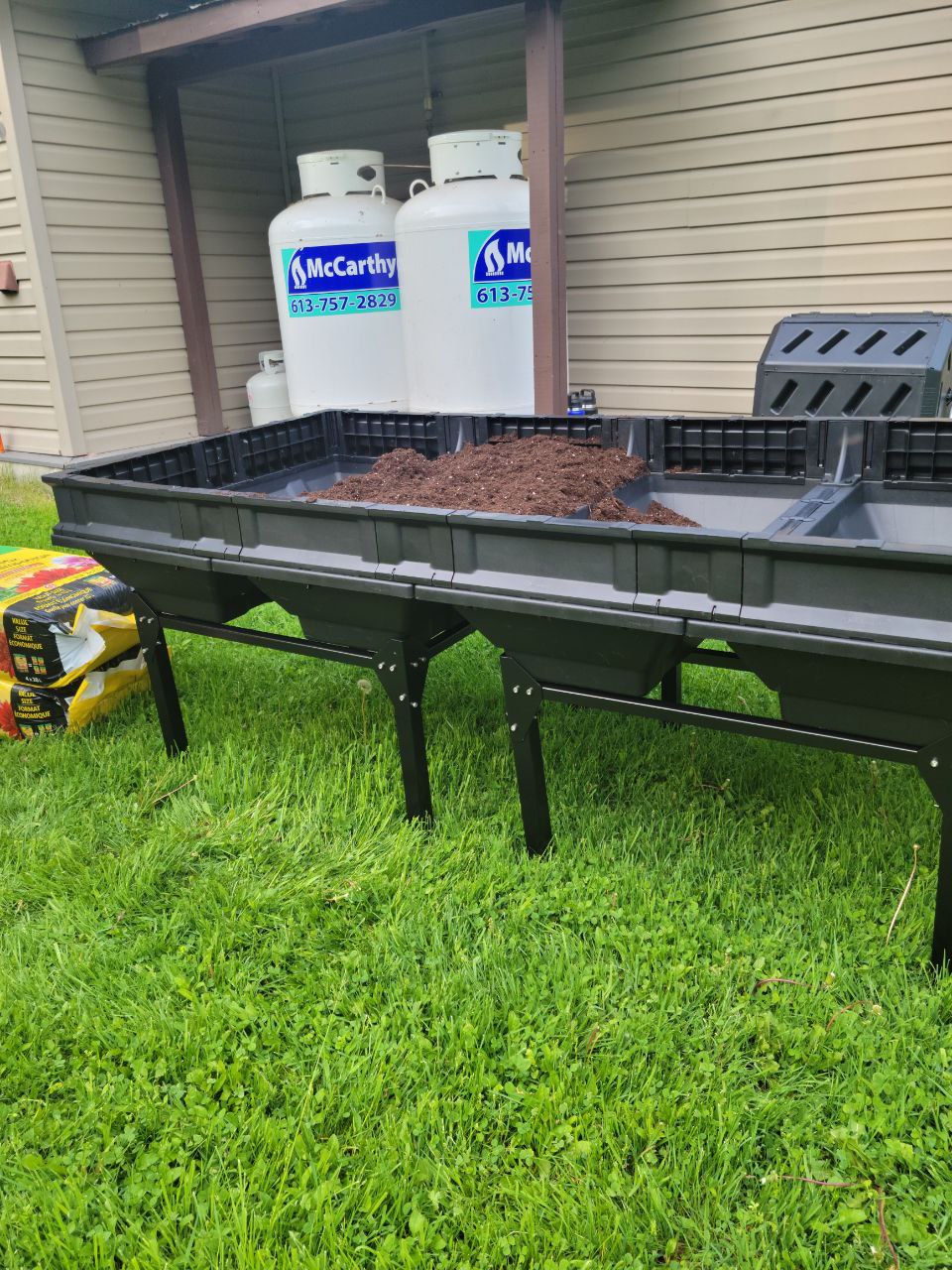
During our research into garden beds, we stumbled across Vegepods. Yes, the ones that were features on Shark Tank and no, we are not sponsored by them. These beds are self-contained, self-watering using a wicking system with a hose attachment and timer for dry-spells. They also keep pests out using their commercial-grade canopy cover. Additionally, they sell a stand separately so you can garden at waist height and for someone with leg, hip and back issues that sounded right up my alley.

For more information about these garden beds, feel free to visit their product features page by clicking the image below.

Growing Seeds

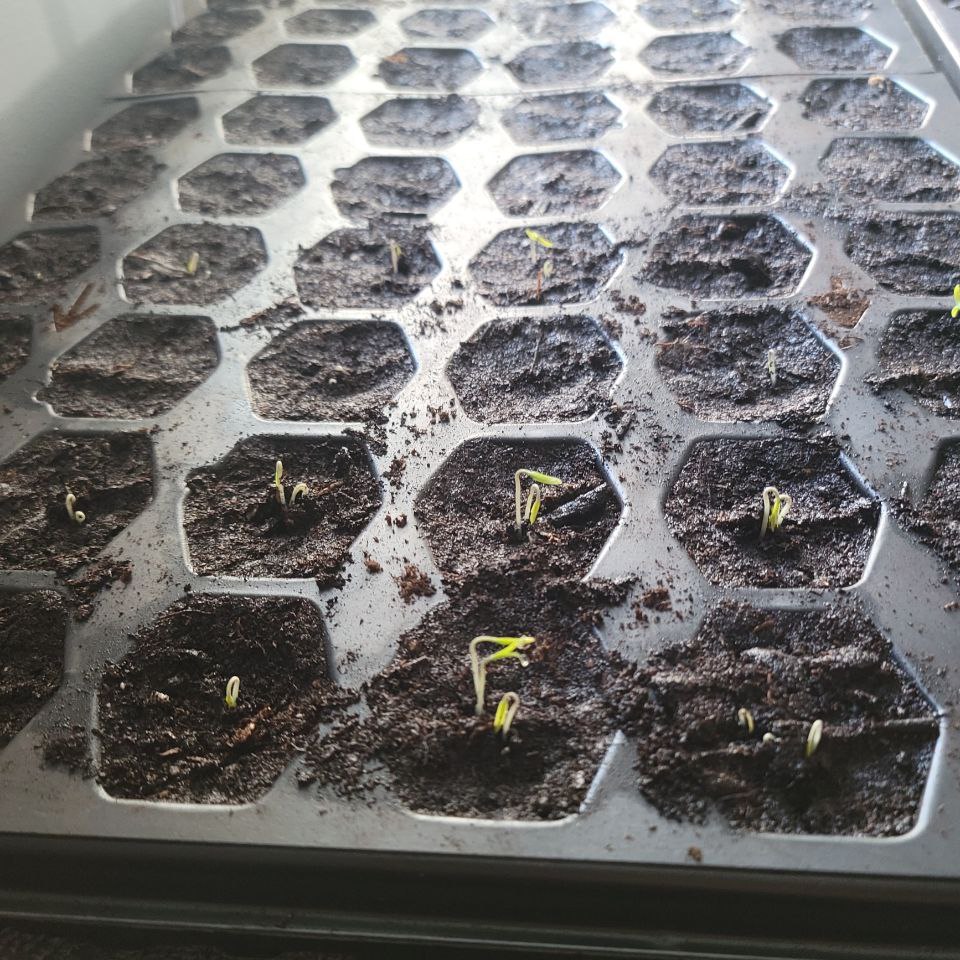
Well, it was certainly an adventure for us planting and monitoring our first seedlings. You know that feeling you have when you have a new pet and you just want to be around them all the time and make sure they’re thriving? That’s how I felt with my seedlings. I was checking them all the time, checking the soil, making sure they were getting sun, and still there were some missteps. Gardening is definitely more of an art than a skill!

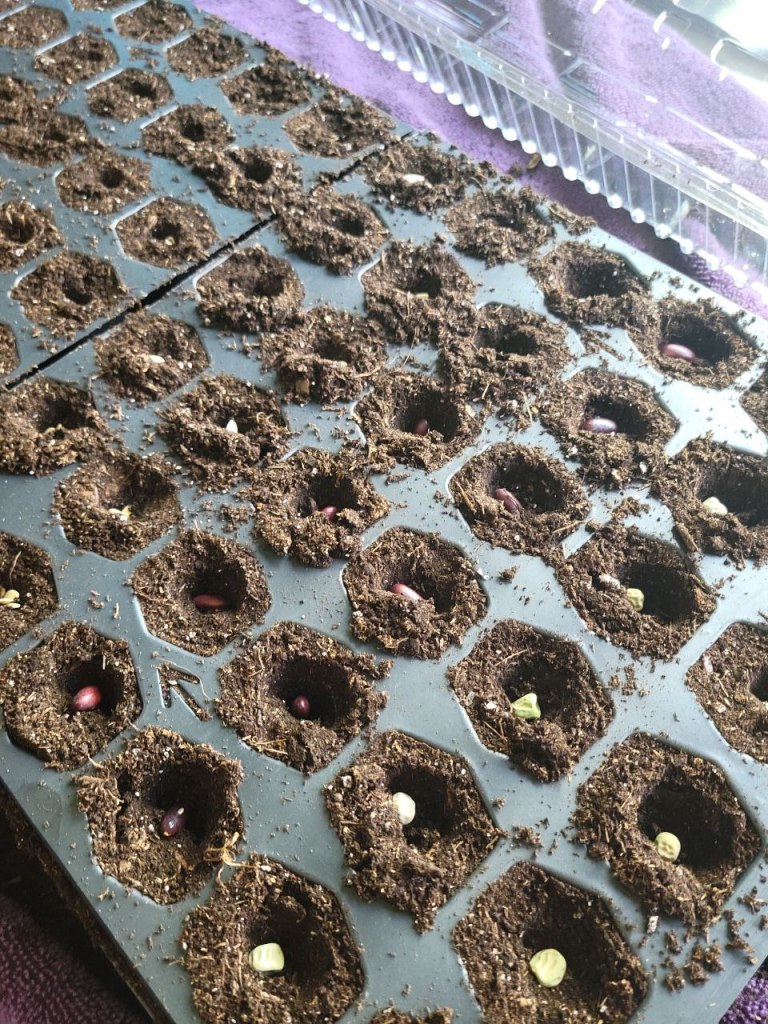
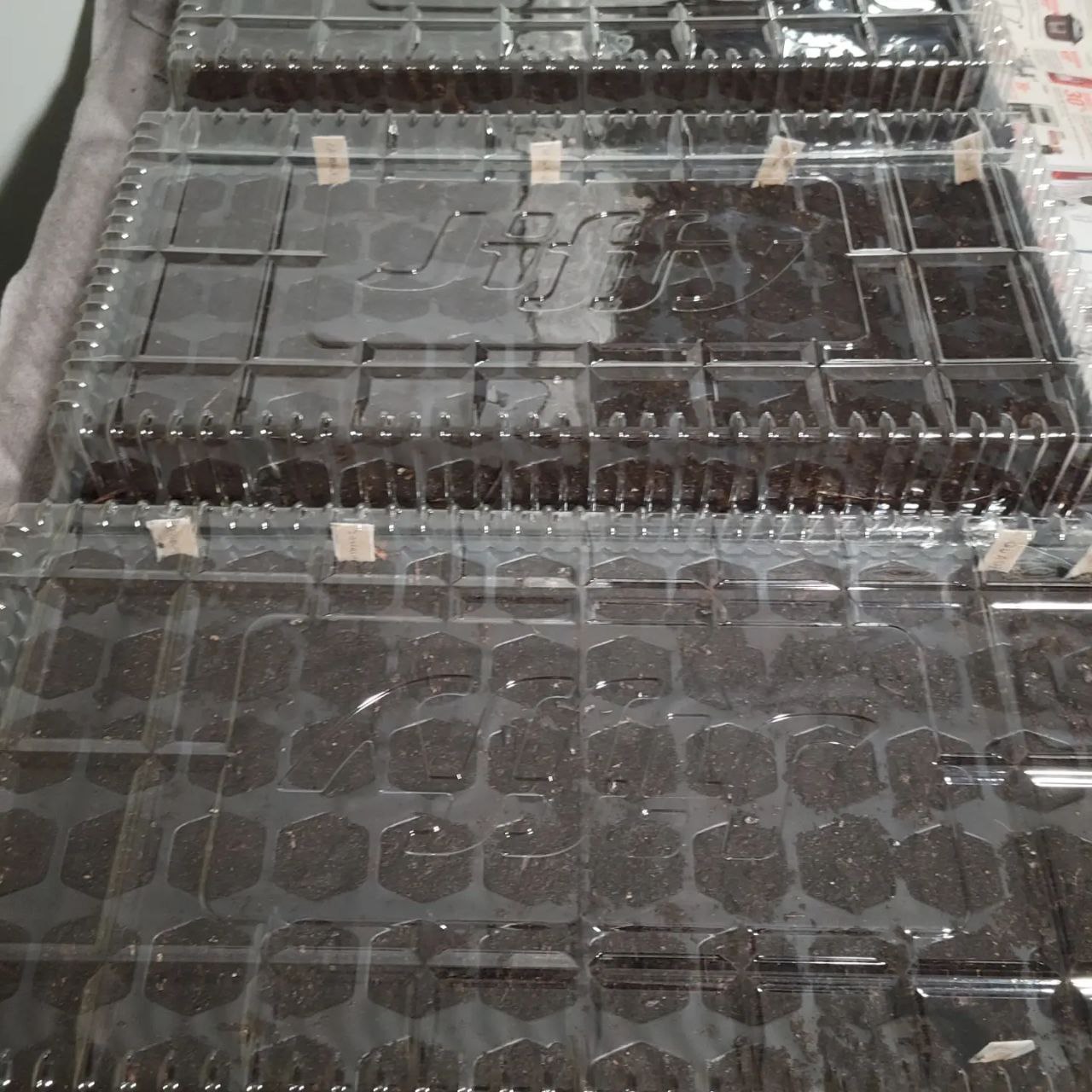
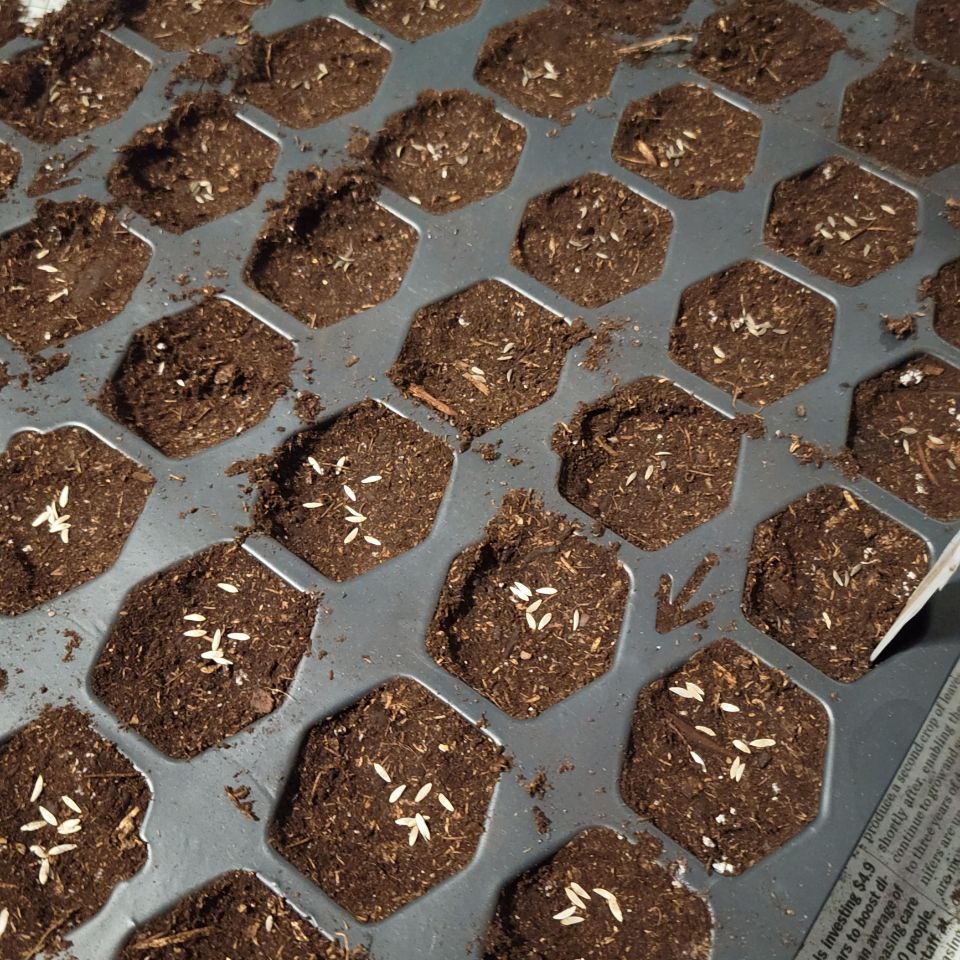
First, we found vegetable potting mix and filled up some hex starter kits with “greenhouse” domes. Then we had to figure out which depths to plant each seed (since the chart didn’t say) and how many to plant in each hole. This part wasn’t so difficult and Google helped tremendously.

Once the seeds were planted in each hole, we made labels for each one and set them up on a shelf that we had made to stand up in our sliding glass door for optimal light. The window faces West so they were getting good light for at least the afternoon hours.

These particular seed start kits that we purchased were self-watering and cheap, but we did later learn that self-watering is not the best for plants that need less water (lettuce etc).

Transplanting

Once the seedlings have established roots and are hitting the tops of the greenhouse covers it’s time to transplant them (as long as you’re beyond the last frost). We spent the week after Victoria Day, May 24 if you’re not Canadian, setting up our Vegepods and relocating our plants. Sadly, only our tomatoes, celery, and pumpkins really thrived so we were only able to move those. Our lettuce, cabbage and cauliflower became wispy which I believe means we were giving them too much water.

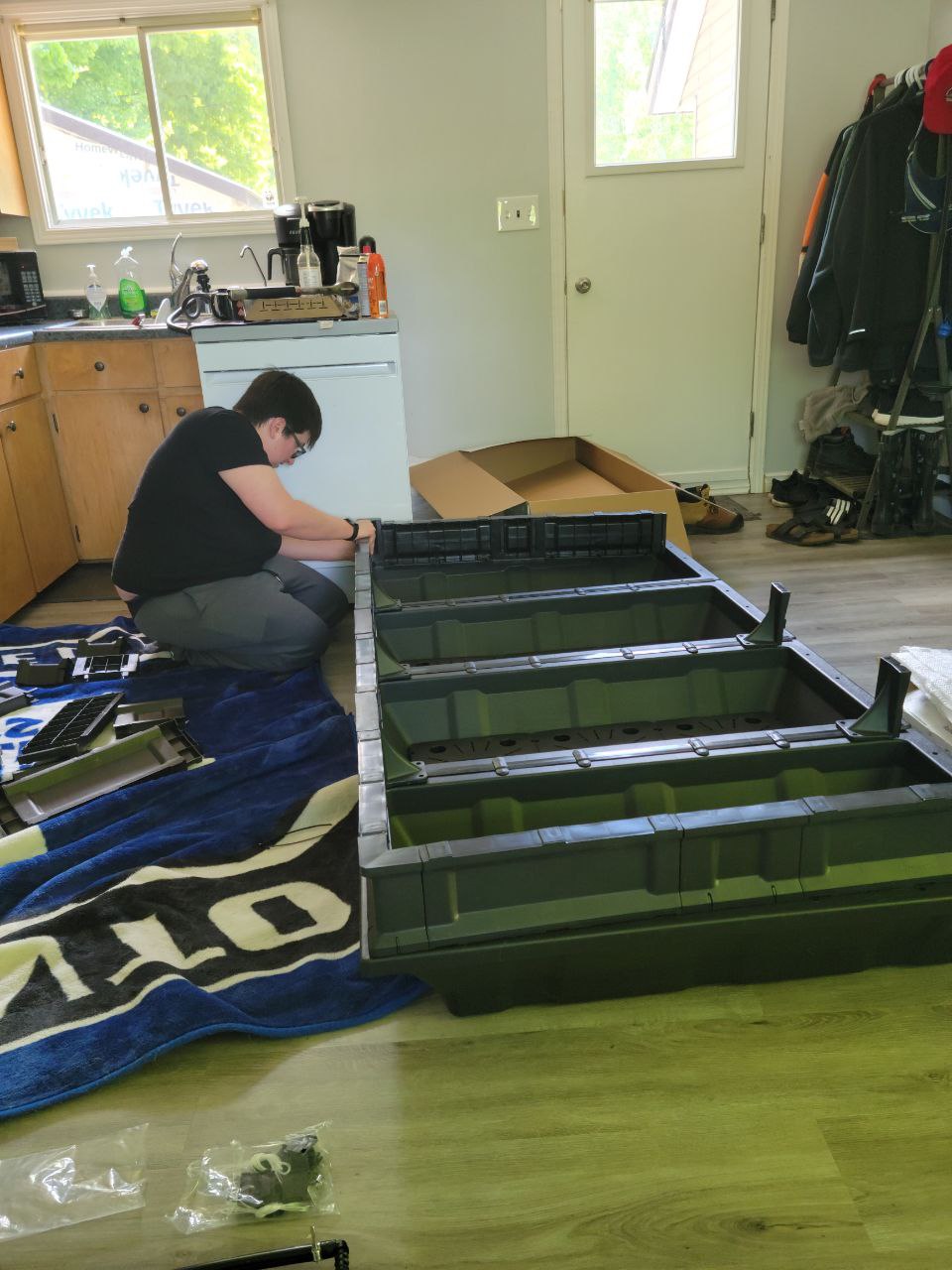
First we built the vegepod, we got the large one, and it was massive. Then we filled it with ~400L of potting mix and then we moved the plants over, setting up trellises for our delicate tomato plants.

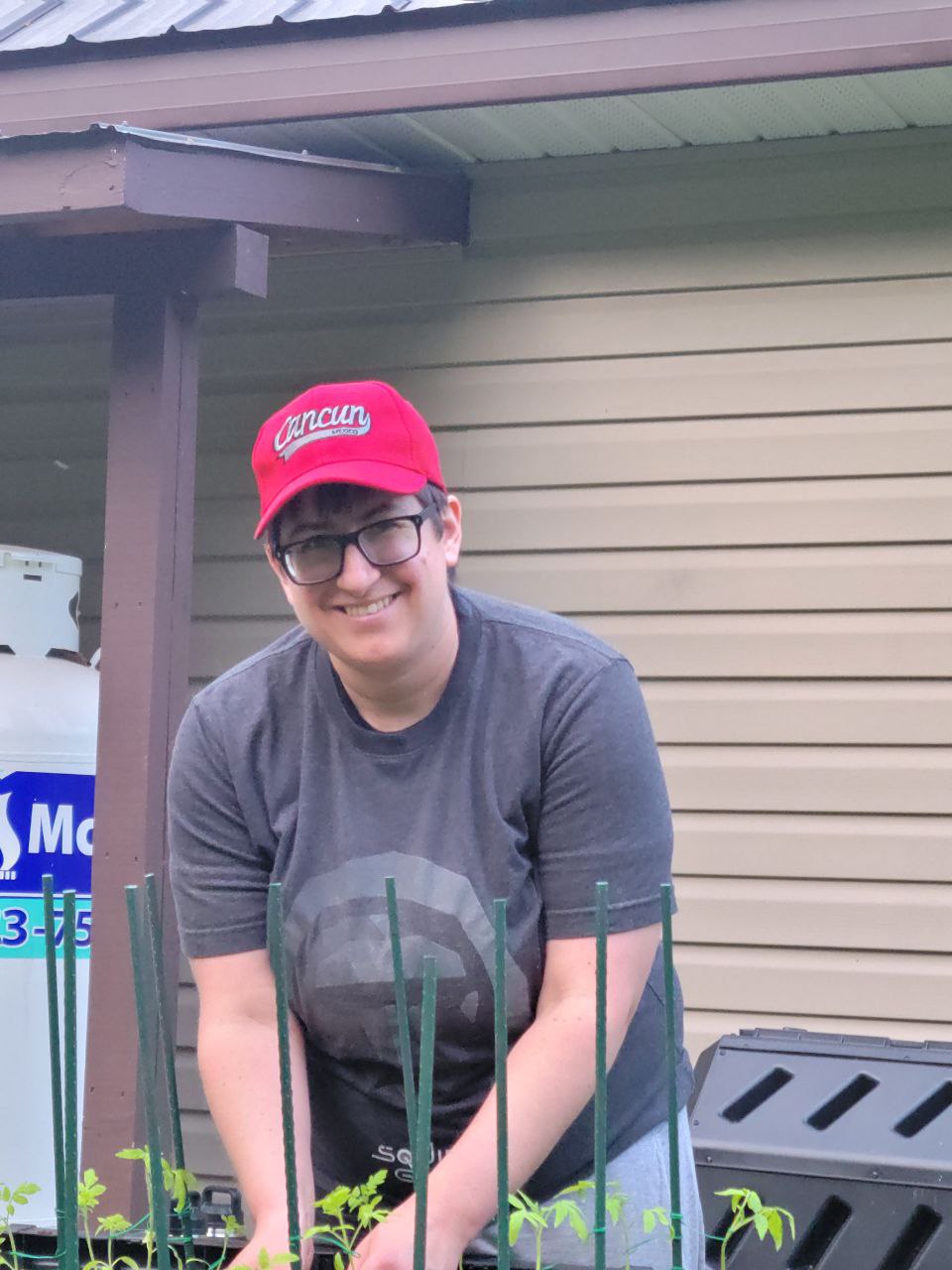
Once the plants were in, we gave the soil a good 10-minute mist soaking and then put on the cover. We later learned we should have soaked the soil for 20-minutes but to compensate we’ve been monitoring the soil moisture and watering daily for 2-3 minutes per “garden bin” (as seen in the picture above).

We don’t really have an update on the status of these plants yet, but everything seems good so far. As mentioned before, we are definitely beginners when it comes to gardening so if you have any tips, please feel free to share them!

Sylas’ Segment: Minimizing Waste and Composting

One of the first things we knew we wanted to do when moving to the country, farming, and starting a homestead was minimizing waste, and part of this goal was also to start composting.

As sad as this may be to read:

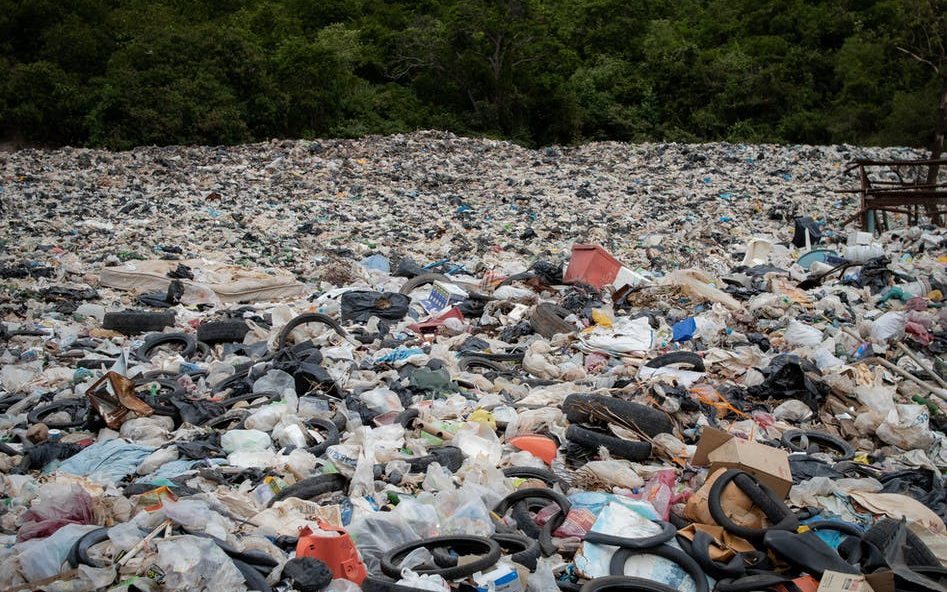
A recent study states that Canadians produce more garbage per capita than any other country on earth,1 Canadians generate approximately 31 million tonnes of garbage a year (and only recycle about 30 per cent of that material). Thus, each Canadian generates approximately 2.7 kg of garbage each day.

https://www.crcresearch.org/solutions-agenda/waste
Photo by Leonid Danilov on Pexels.com

We definitely wanted to make changes to our own habits to reduce this wastefulness, even if it’s marginal. This blog article is going to discuss some of the ways we’re working towards waste reduction as well as how we will be composting our organic matter and some tips/safety around composting, especially in bear country.

Reducing Waste

It can be pretty simple to make some significant changes in the amount of garbage/waste you produce. Here are some easy things that we picked up right away:

  • Bringing and using re-usable grocery bags when going shopping; we also use collapsible crates to carry our bags into the house. Less wasteful and more efficient! Plus you almost never need to worry about bags ripping or breaking again since re-usable bags are usually way more durable.
  • Buying a bidet! We used to buy wipes, and this not only came in a box and plastic packaging, but the wipes themselves couldn’t be flushed (even if it says they can), and they could quicky fill up a garbage bin in the bathroom. Now we just have some small bamboo towels to pat dry if needed, but otherwise, virtually no toilet paper and definitely no more need for wipes.
  • Nearly replacing all paper towel use with just dish cloths and towels. We do still use the occasional paper towel (they can be composted! Read more below), but we try to use cloths for cleaning as much as possible.
  • Water! At the moment, we are, unfortunately, still using plastic water bottles, but we’re in the process of upgrading our well system to be safe to drink. It is high in nitrates (31 when it should be 10), so we need something that will help filter those out. One of the ways you can do this is through reverse osmosis. We are working with some expert water folks to figure out what will work best for us, but our goal is to be able to no longer need to use bottled water ever again!

And there are still a number of things we’d still like to do. For one, we still have some leftover laundry detergent that we’re working through, but we’d love to pick up those eco-friendly strips that use way less plastic packaging and are much smaller/easier to store. We are also researching better options for cat litter and litter disposal.

Finally, we want to work towards purchasing less boxed and bagged food. Once we have our garden able to grow produce for us, we’d like to move towards cooking and baking much of our food at home or keeping it local and buying direct from other farms or nearby markets rather than buying pre-made versions of things in the store, especially once we get our kitchen renovation done so we can have some real space to cook and enjoy it in there. This includes preserving, jarring/canning, drying, and other methods of turning what we grow into food that can last in storage and keep us fed.

Composting

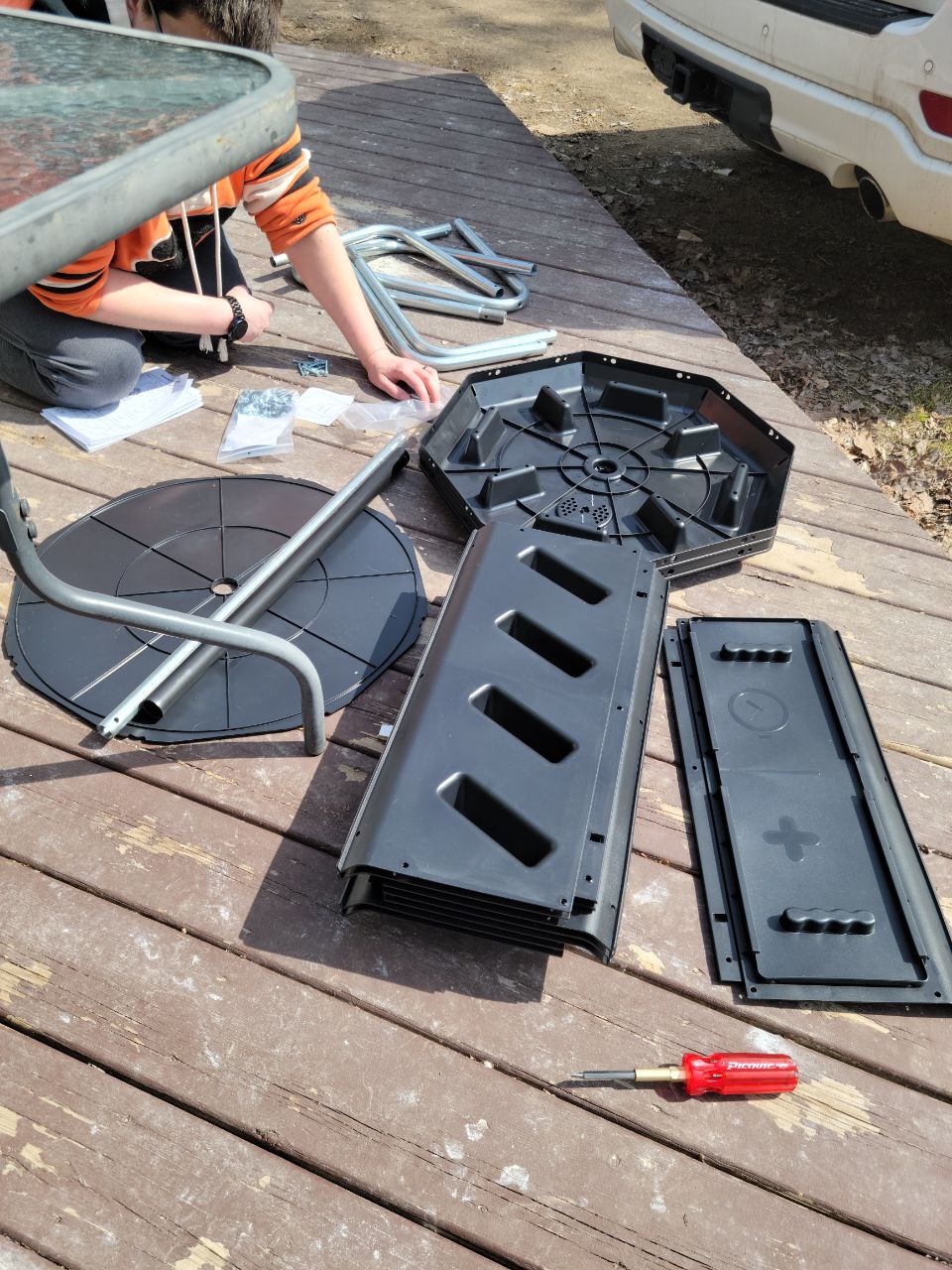
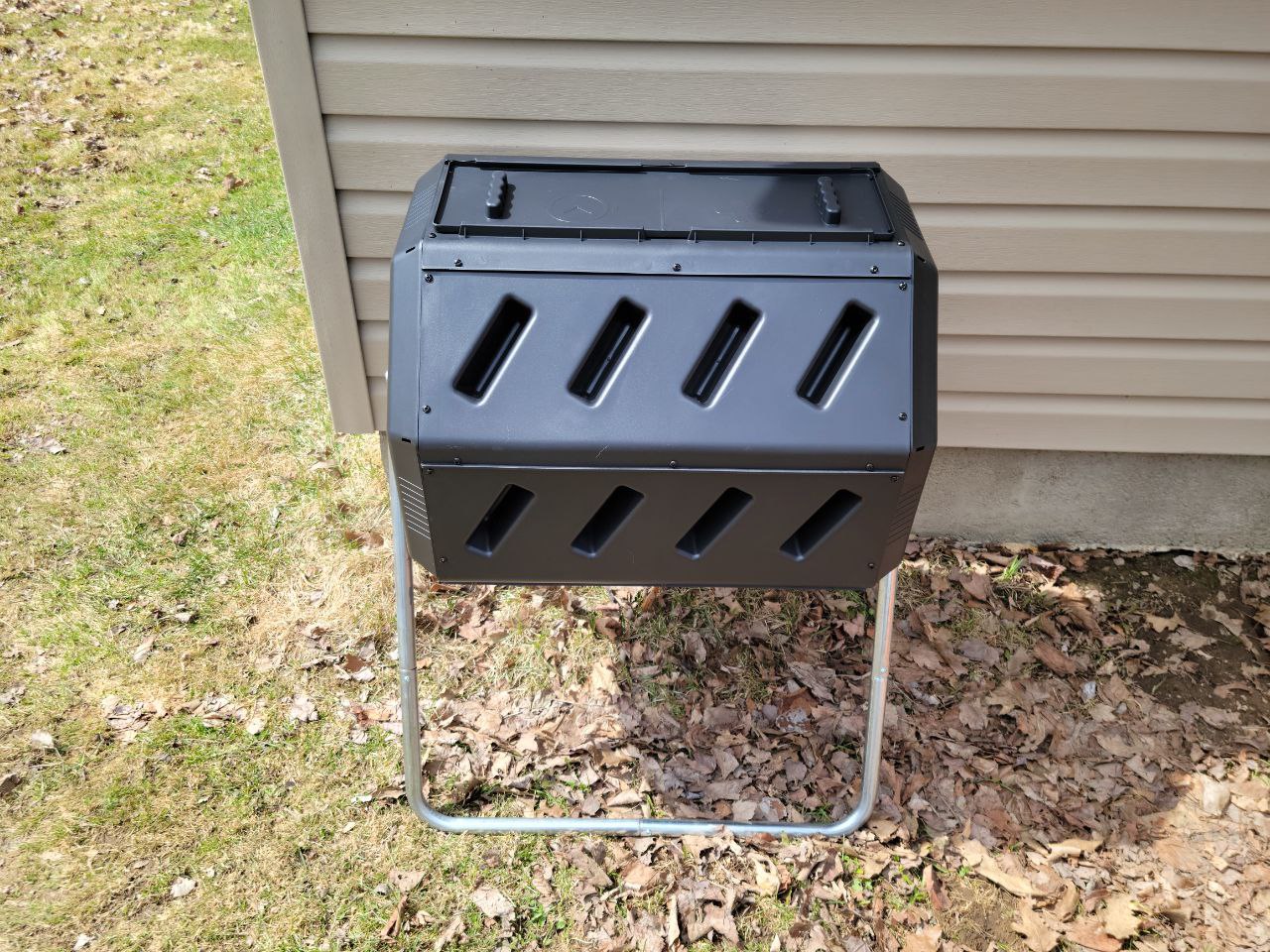
One of the first things we wanted to get going as soon as possible was starting to compost. This is honestly super easy to do! We ended up purchasing a plastic tumbler style 37 gallon compost bin (from Amazon). We had thought about building something ourselves, which we may still do in the future, but for now, we wanted something that was quick and easy to set up and get going.

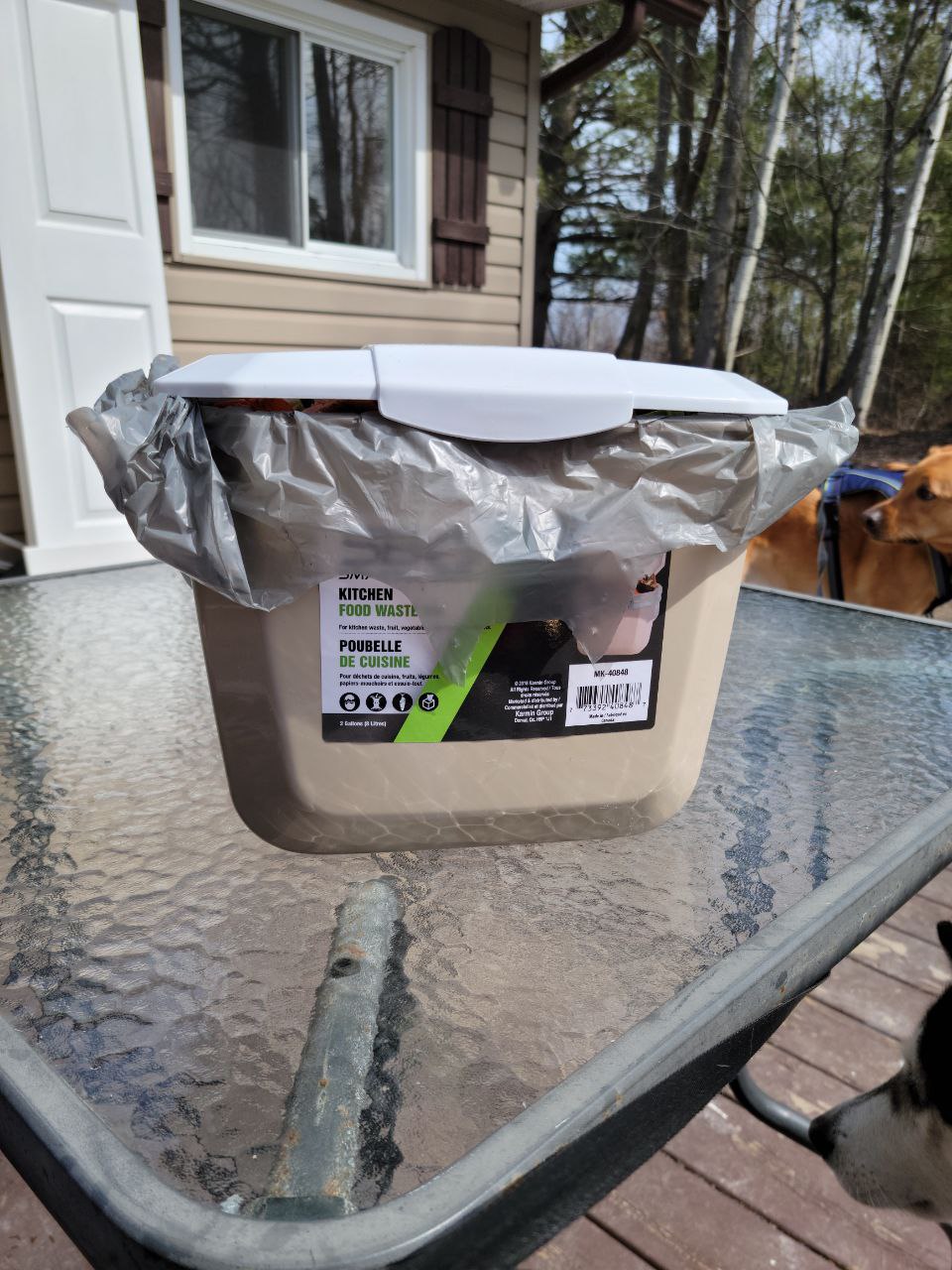
We also purchased a simple and small kitchen compost bin to keep inside so we can toss scraps and things in there. Then we empty it into the outdoor bin once it gets full.

The instructions that came with this bin weren’t the most helpful, and it took a bit longer than intended as I had originally put the metal legs on backwards so it wasn’t wide enough for the tumblr, but we sorted it out! My wife is much better at reading directions than I am…

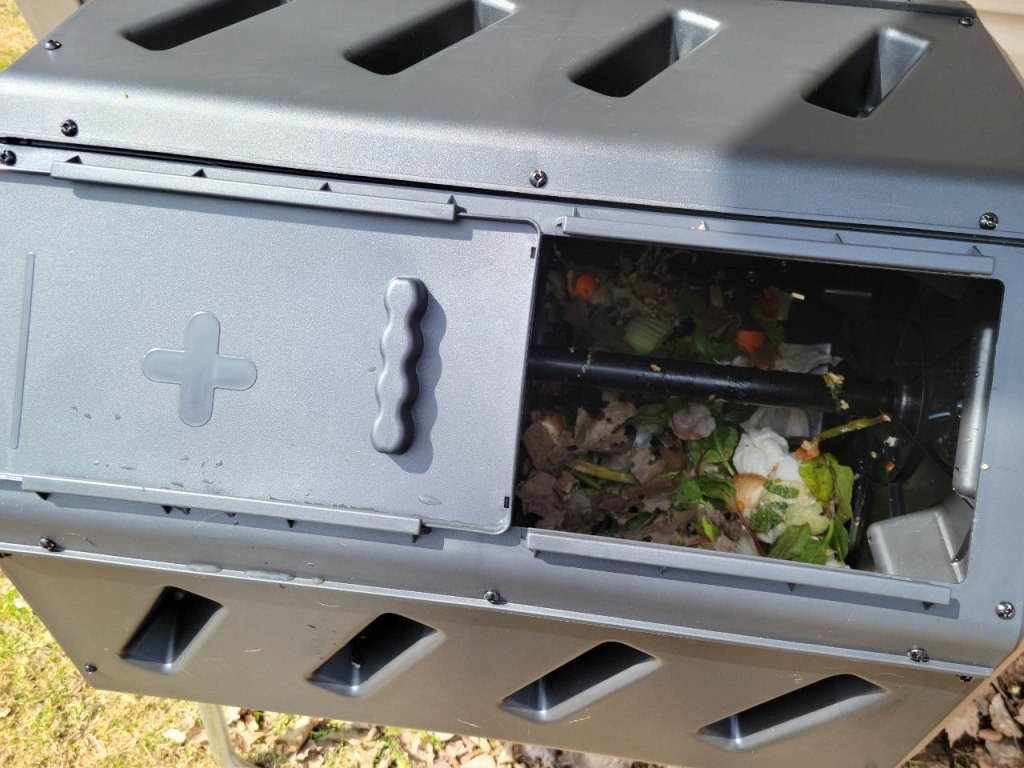
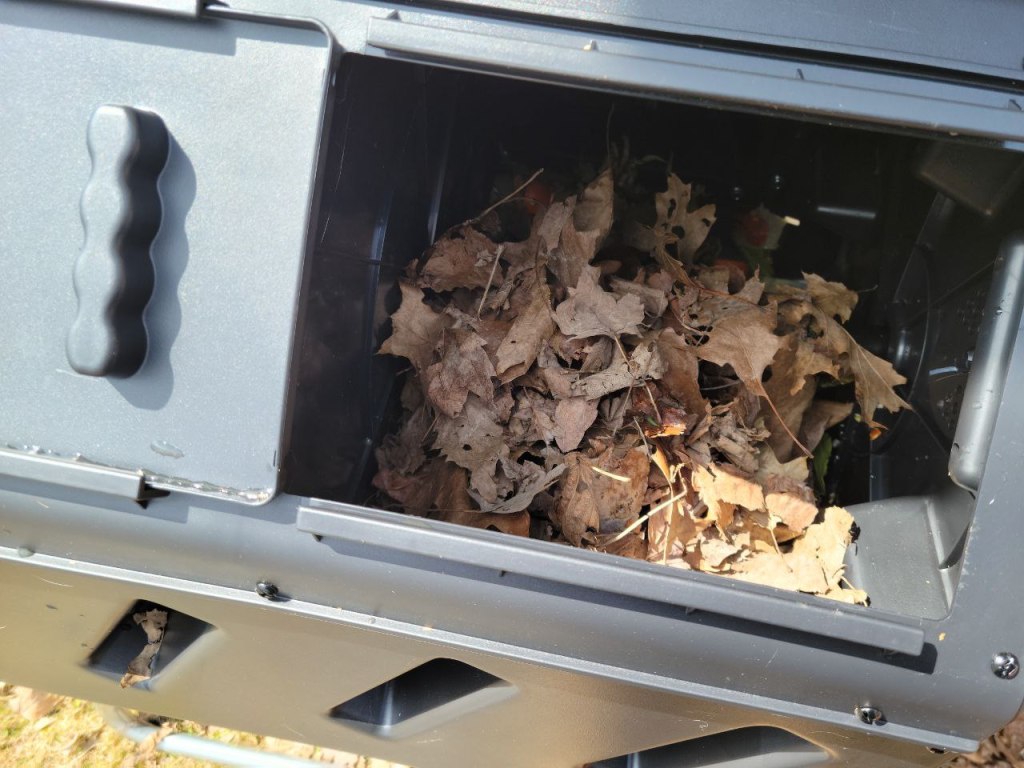
Now the important part – how to compost! The way this bin works is there are two doors on it – one with a clock and one with a plus. The plus is where you add new contents, and the clock is where compost is resting to, well, compost. Once the plus side fills up, you switch the door so the plus is on the empty side and keep going!

When you add new compost, you want to spin it 5-10 times, and you also want to spin it a few times after 2-3 days. That’s pretty much it when it comes to maintenance! To empty this tumbler, you just place a tarp or something similar underneath and turn it upside down allowing the compost turned soil to fall out.

Of course, there are some tips to making the best of your compost and keeping it safe, especially when you’re in a forested area like ours where wildlife like bears or coyotes may be common.

First, you want to focus on composting a mixture of greens and browns. Greens include things like grass clippings, landscape trimmings, coffee grounds, fruit and veggie scraps, animal fur, hair, and manure. Browns include fallen leaves, saw dust, straw, newspaper (torn into strips and crumpled), tissue paper, and cardboard (also torn into small pieces). Some other things that you can compost is rinsed and crushed egg shells, small amounts of fireplace ash, floor sweepings, and dryer lint. It is generally important to add some browns and greens at the same time in approximately the same ratio.

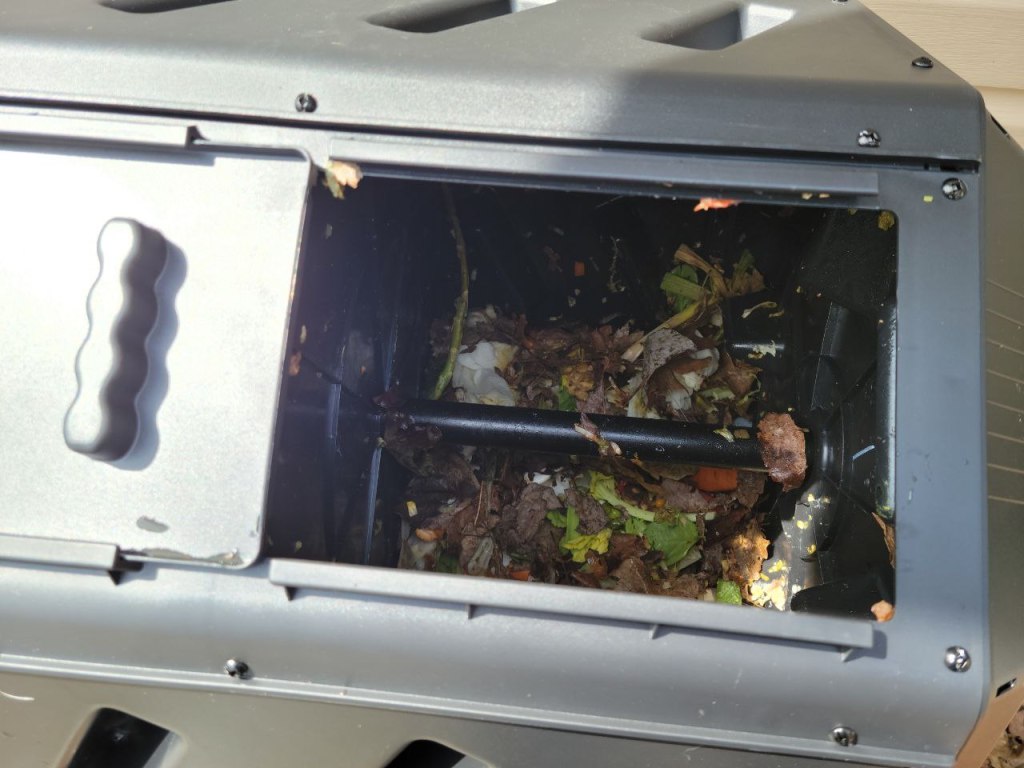
In the pictures below, you’ll see we added the greens from our kitchen (there are some browns in there as well, like paper towels), then we added a bucket of dried leaves from the yard as the main browns, and spun it all together!

Second, to keep the compost and your garden safe from animals, you want to avoid the following things: meat, fish, bones, grains, rice or pasta, dairy, grease and oil, charcoal bricks, or pet feces. These are items that will increase the smell of your compost and potentially attract animals you don’t want around your home and digging through your stuff!

And that’s about it! Hopefully you found some useful information about waste reduction and composting, and good luck if you start with any of this yourself! We’re looking forward to sharing our progress in both of these things as our journey continues.

Learning About Alpaca Farming

If you asked me a year ago what I knew about farming alpacas, the answer would have been “basically nothing”. All I knew at that point was that I had a dream of a farmstead in the middle of nowhere. In fact, it was almost exactly a year ago that we began to seriously consider purchasing a property and to shake up our life. I was struggling pretty badly with my mental health and I needed a change of scenery, but ultimately we thought that starting a farm would be more like a 5-10 year plan and not a 1-5year plan. Then we started researching alpaca farming and realized that it’s much more simple than we thought.

How did we get ready to pull the trigger on farming? We spend a lot of time researching and learning. I’m going to share some recommendations below if you too want to get into the alpaca farming game, because we ALWAYS need more alpaca farmers.

Researching when you’re starting

anything new is super important. Making sure you have resources, knowledge-bases and a general idea of what your future will look like is valuable. We spent the better part of 6 months finding all kinds of resources and information. We spent a lot of time watching youtube videos of other alpaca farms, reading social media and other alpaca farming resources. For example, Alpaca Farming with Alpaca Canada. You can find a lot of information on farming just on the internet, but your local library is another good place to go!

Finding the right people and adding them to your circle

is an extremely useful way to help make yourself feel comfortable with going all-in on a new endeavour. For us especially, Networking made us feel a lot more supported in our decision to have someone in our corner who has “been there and done that” and to also see people who are actively starting up so we can learn from them as they learn.

We both love reading

and having books to keep on hand as a reference for the “real deal” moments is a really useful tool as well. There are two books that we would recommend specifically for alpaca farming. These books aren’t really books to read all at once and should be more considered reference material/field guides.

Alpaca Field Manual – Norm Evans

The Complete Alpaca Book – Eric Hoffman

Ultimately, getting hands on

with the animals was the best way to make us feel comfortable with our business plan and actually starting this adventure. Feeling the fibre, seeing the size in person and in comparison to our own body, watching how to handle them and learning what health signs to look for really helped us ease our nerves. There’s nothing that compares to seeing the world in person and when it comes to caring for animals the same is true. There are subtleties that are missed virtually and there’s an overarching sense of comfort that comes from having experienced alpaca care in person.

Hopefully reading about our experience with planning our business and getting information about things can help you! If you have any questions, feel free to reach out to us on our social media or through the contact page.

Scheduling Change

Throughout this summer, we will unfortunately be quite busy with non-farm related activities including a wedding, an estate cleanup and a few other things. That said, we will be posting BI-WEEKLY from May-August instead of weekly and then in the fall we will return to weekly.

Internet Update

I’m sure you’ll remember, but if not, a month ago, we shared a fail that we had when purchasing our home in Pembroke – we didn’t look into internet before putting in our offer and having it accepted. To read more about it, click the image below.

With both of us working in IT and remotely, this was obviously a pretty big oversight on our part. We’ve been anxiously waiting for Starlink updates because I’ll be honest, working remotely on a shared LTE signal has been a challenge. So much so, that our morning routine had been very much like this:

Sylas: What is on your calendar today?
Me: Meeting @ 1PM, working on the business, call @4PM
Sylas: Oh, I have a 1PM too. Let me reschedule that for 2PM.

We were literally to the point where we couldn’t be on a live call together. When we both have multiple personal meetings a week and work on top of that, it was actually causing me a lot of stress and anxiety. I didn’t realize it, but it was to the point where at night before bed I was thinking of ways that I could optimize while we waited.

The Update

Remember in our country living post where I compared city life to living in the country? I mentioned that the PEOPLE are so much different here. I meant it! We have a neighbour, let’s call him E, that we’re discussing purchasing land from. He popped over to meet us and to hear more about Rainbow River Alpacas and our plans. We had a really nice chat and it came up that we’re from the city so living here without internet has been quite the challenge.

Now, we’ve been looking for high-speed internet in our area since we put in our offer in August 2021. There was nothing at all available. We made hundreds of calls, we petitioned ISPs and offered to pay for cable installation… We really exhausted every option. Every option we possibly could, based on what we knew anyway.

Here’s the thing about living in the country that you don’t realize until you experience it. Word of mouth is HUGE. E was like “Oh, you can’t get internet here? I thought Vianet just installed that dish to bring highspeed internet to people on your block” and he pointed across the street to my neighbour’s silo where lo and behold there is a highspeed wireless dish.

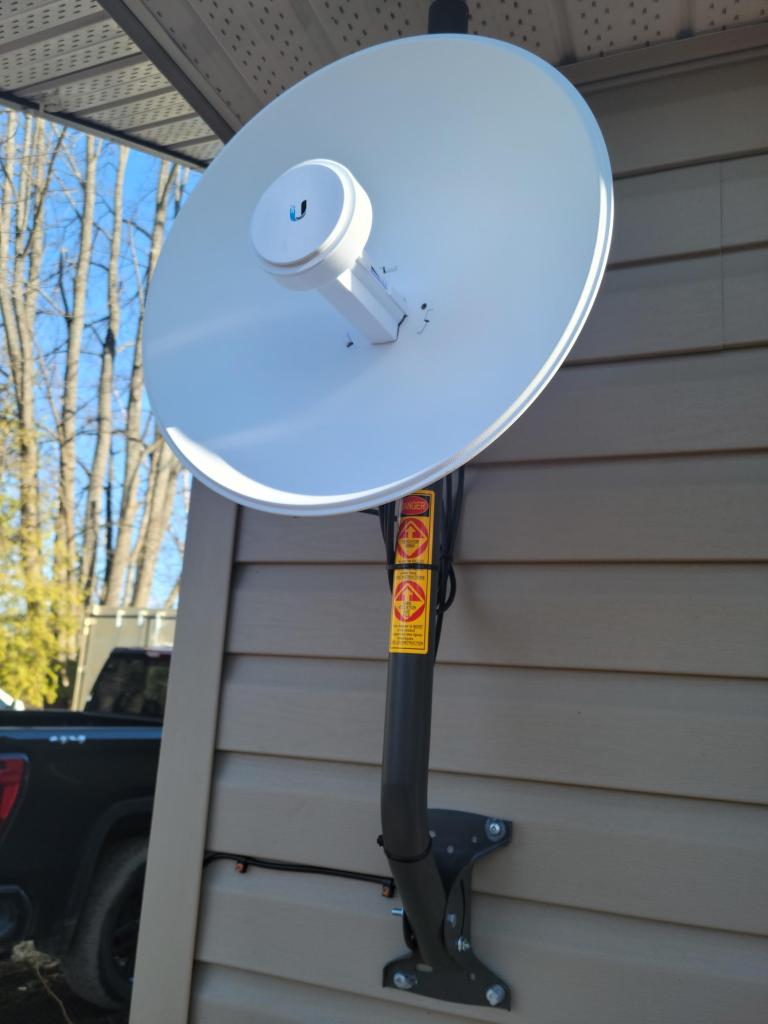
Imagine how stunned I was. I had called Vianet 3 times and inquired about DSL, Highspeed and wireless. I gave up in October or so. They installed this and it wasn’t even listed on their website. That day I gave them a call and within 5 days they came out and installed a Ubiquiti dish on my house and we’re rocking low-latency unlimited internet with one hop to the fibre node! For the non-techy people this roughly translates to HURRAY!

Why am I telling you this? Because life sometimes has a funny way of working out just as you hope.

Farm Fail Friday: Amateur Plumbers

Homesteading is really fun. It’s a constant opportunity to learn something new. You really start to challenge yourself to learn, especially with household enhancements or minor fixes. It’s really good for your personal growth and in the single month we’ve been here at the new house, we’ve had many moments where we’ve looked at something we’ve accomplished and felt really proud. That said, we also have had a number of gigantic fails, one of those being a … plumbing mishap. I’ll tell you more about that I promise. But, let me set the scene for you though.

Let’s go back to when we decided to buy our house. It was a quaint little farm house with the bones of a good home. We knew that a lot of renovation and love would be needed for it to feel more at home, but Sylas and I were both committed to making it ours. One of the things we had requested from our contractor was a smart bidet toilet. The reasoning was that we wanted a toilet that had all of the functionality built in. We quickly realized by looking at stock and supply chain issues that the smart-toilet route wasn’t going to work out. So, we decided to get a fancy bidet toilet seat that had all of the functionality built into it and only needed amateur skills for installation.

We looked for ages and finally settled on the biobidet bliss BB-2000. For those of you who have never tried a bidet – Do it. It saves you toilet paper, saves your time wiping, and is all-around a much more environmentally friendly way to use the bathroom, especially when you consider that we live in the country and all of our waste goes into our septic tank. They aren’t cheap, but in my opinion, it was worth it.

Flash forward a few weeks, we finally receive the toilet seat, our bathroom renovation is coming to an end and is just waiting final touch ups. Sylas and I have the day off because it’s Good Friday (Last week). We THOUGHT it was a good time to install the seat. The instructions were simple, turn off the water at the toilet, unscrew the hose, install a T-Joint, reinstall the hose to the water tank and to the bidet. We THOUGHT nothing could go wrong, but it turns out what was wrong was our judgement.

We get 1/2 way through the installation, the toilet seat is installed on the toilet and we’re about to hook up the hoses. The water was off, Sylas bends down to screw on the hose and BOOM the entire valve that was stopping the water pops off. Water starts shooting into the air, it’s covering our clothes, it’s all over the floor, the walls are getting wet. We both panic and I quickly tell Sylas to run outside and find the water shutoff in the utility room and start grabbing towels and throwing them on the ground.

After 5 minutes the water turns off, my feet are soaked and we realize we have a big problem on our hands. We’re both AMATEUR handy-people at best and we definitely don’t have a PEX-Valve to be able to fix the pipe. We had to call an emergency plumber. Did I mention already this was on Good Friday? This was on Good Friday. We had to wait a few hours for him to arrive and I ended up having to pee in the woods.

The fail is hilarious, in hindsight, but the lesson is important and is one that everyone should heed. Whatever CAN go wrong WILL go wrong… And don’t do amateur ANYTHING on a holiday.

Hope you’ve enjoyed this edition of Farm Fail Friday. Stay tuned for more of our antics next month.

Local Area Feature: Nomada Tacos

If there’s one thing Holly and I can always agree on it’s that Mexican food is in the top 5 of world cuisines. Together, we’ve experienced local Mexican dining while living in North Carolina, London (Ontario), Toronto, and even getting a taste of the real thing in Tulum, Mexico. Not to mention, both Holly and I have been to Mexico before we were together a number of times, Holly even lived there, so we’ve both experienced real and authentic tastes.

Being city folk, we’re quite used to having a lot of options, but the problem is that many of those options aren’t great, and you feel like it must be a needle in a haystack to find a truly delicious and authentic Mexican food experience. So you can call us surprised when we found some of the best tacos we’ve ever had right here in Pembroke, Ontario!

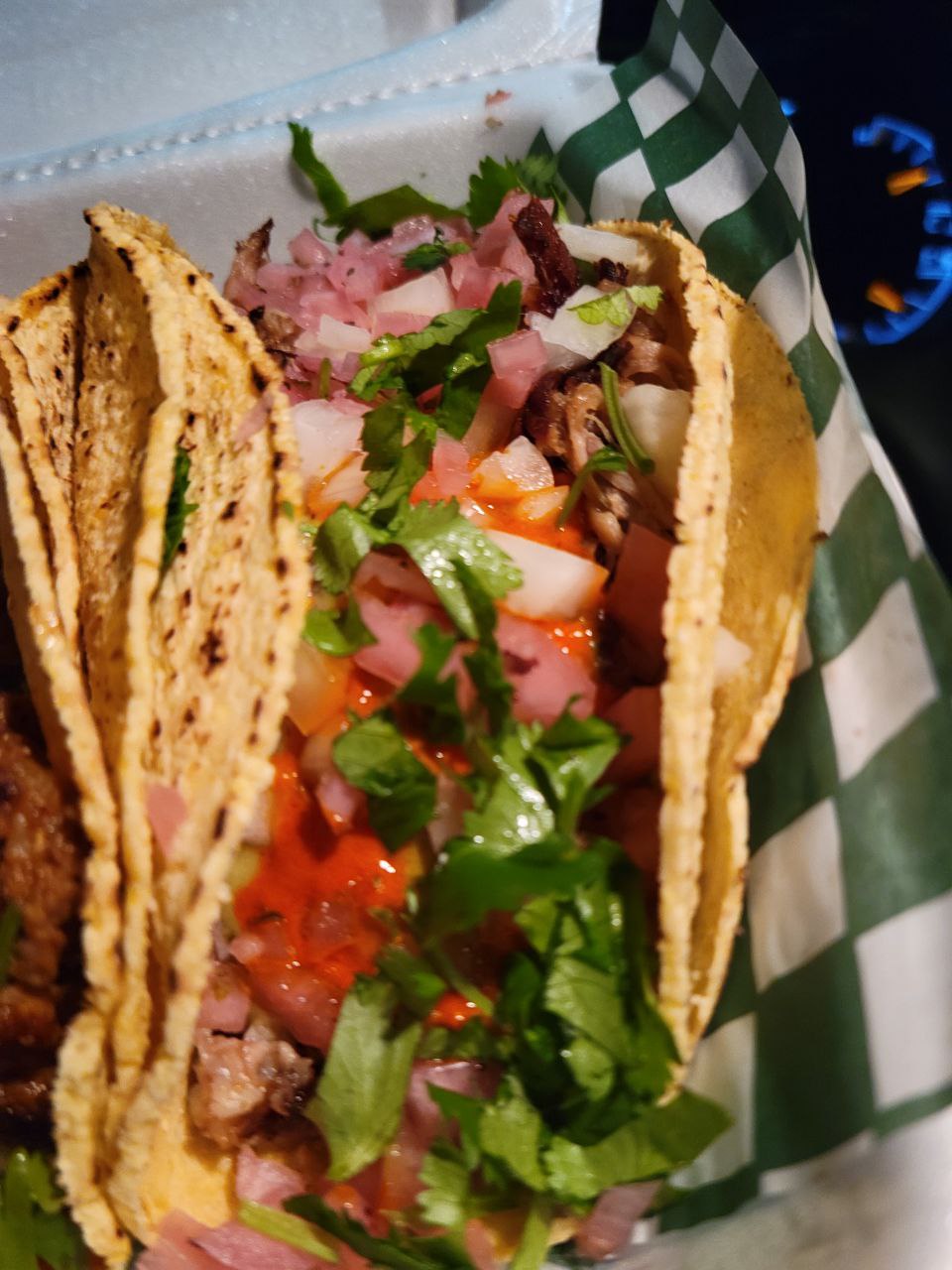
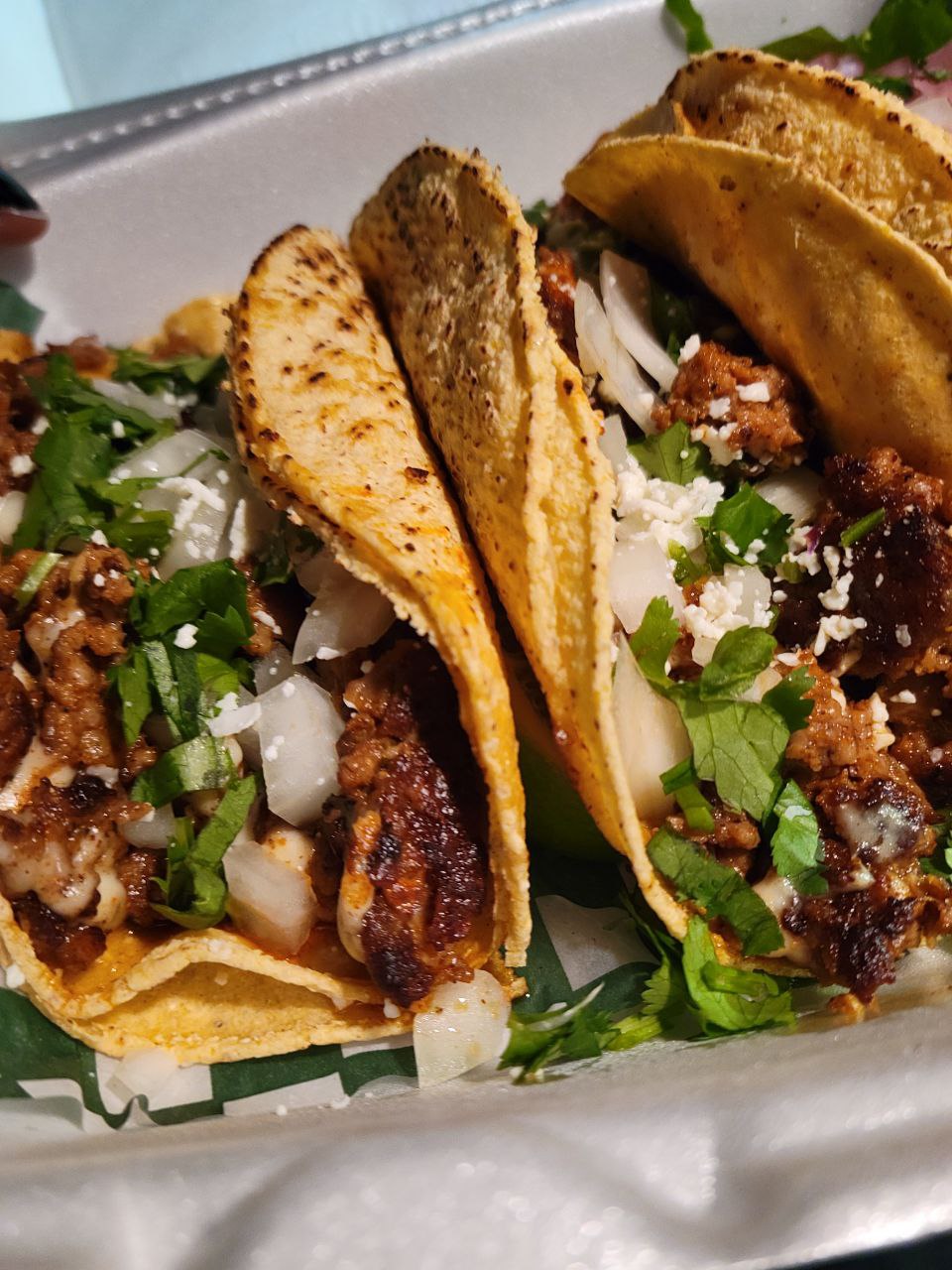
On one of our first visits to our new town, we wanted to make an effort to try a number of local spots, and being that Mexican is a fav of ours, we were instantly drawn to Nomada Tacos…seeing pictures on their Instagram would make anyone hungry!

Then you get there and pictures don’t even do it justice! You get your tacos piping hot. The ingredients taste fresh. The tortillas are perfectly made – whether soft or crispy depending on the type of taco you ordered. And best of all, even if you (somehow) don’t find that you like their standard selection of beef, pork, chicken, veggie, or fish, then you might just find what you’re looking for in one of their weekly specials! These are often really unique and amazing flavours, like the above-pictured garlic potato mash fried taco with queso dip.

The specials aren’t even always just new tacos, and their offerings beyond tacos are just as delicious too.

On top of the taste experience, the customer service we’ve received with each visit is also impeccable. Every person we’ve spoken to there has been friendly, and you definitely get a sense that they take a lot of pride in their food and business.

So if you’re in the area, and you’re looking for some amazing food, definitely drop by and check out Nomada Tacos! You will not be disappointed!

Adapting to Country Living

Welcome back after a week of break while we moved! It’s official, we live in the country now. It feels so strange to say, but we’re out of the hotel and living in our little house in the woods. If you had asked me even 5 years ago what I thought I’d (Holly) be doing today, it definitely wouldn’t be sitting at a window and staring at row on row of trees without a job. I digress, it’s happened and here we are! I haven’t lived in the city my entire life, in fact for my teenage years I lived in a small town with 1600 people in it. It was still a town though, so I often heard the hustle and bustle of the cars driving down the main road and the school bus dropping kids off or picking them up. It was a slower life, but it wasn’t a country life.

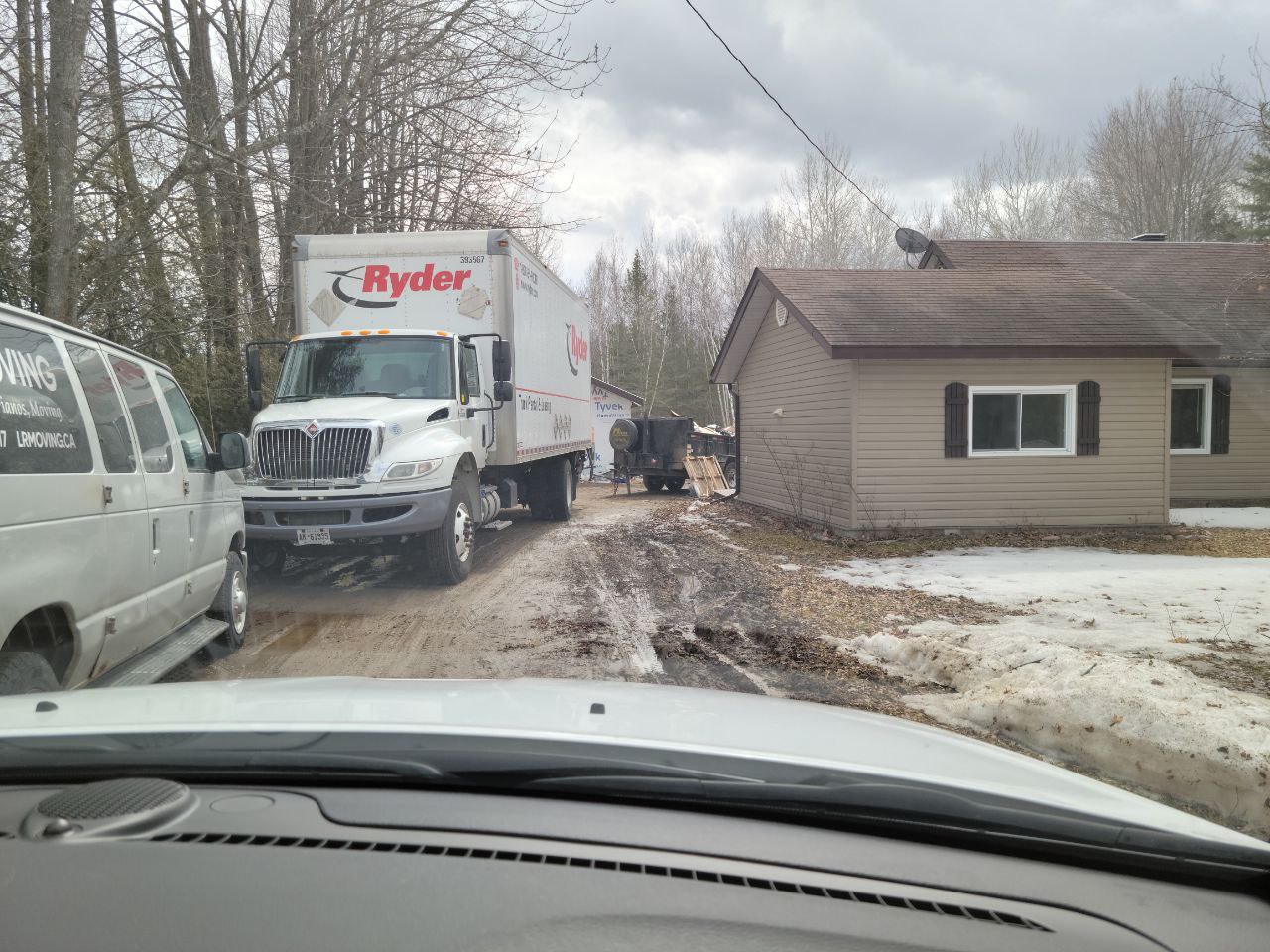
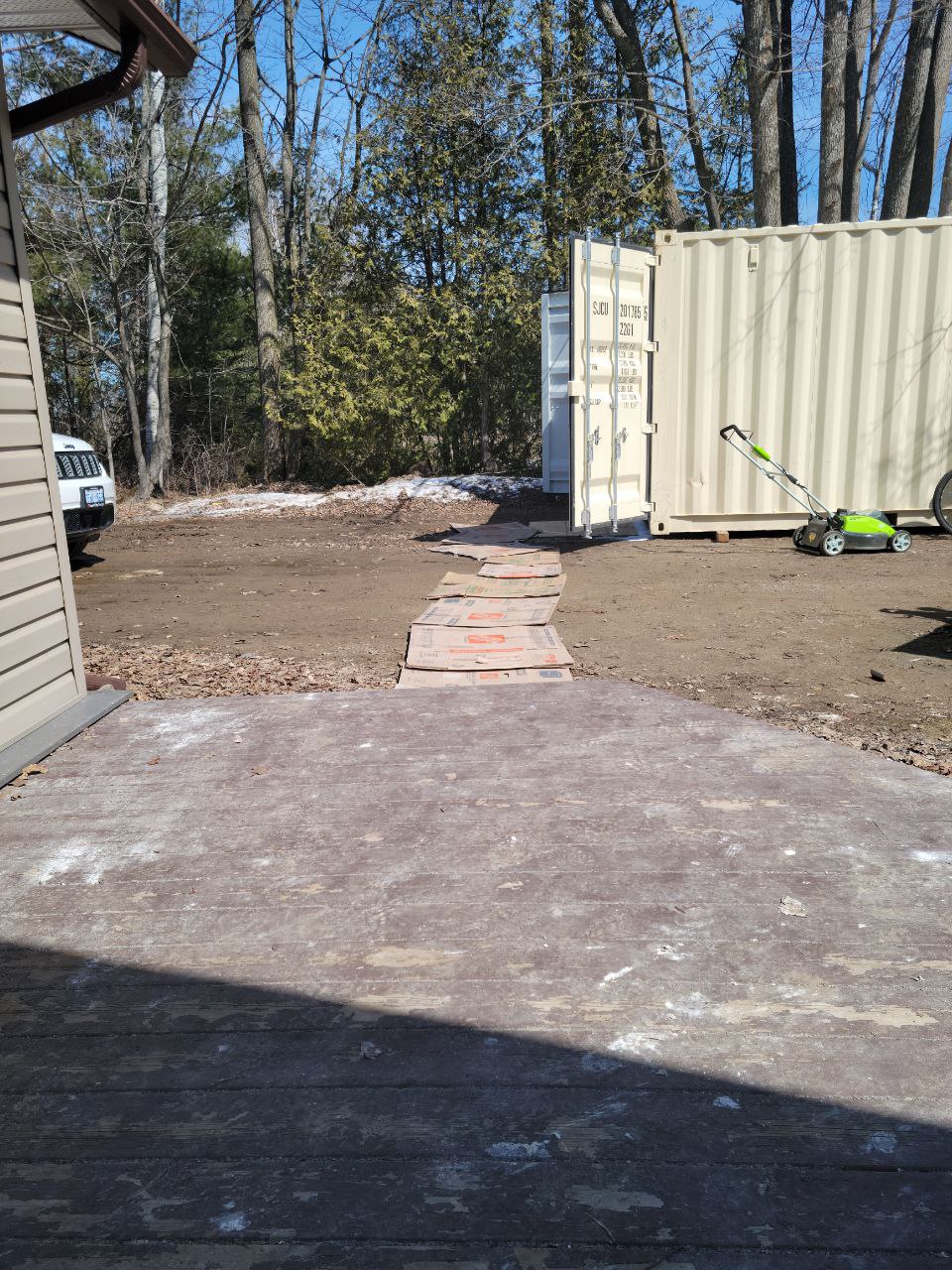
When we pulled up to the new house, the first thing I noticed was how unprepared we were to deal with the mud situation at our house. Our driveway is dirt and the contractors had made a huge mess of it with their trucks. Sylas walked in the mud and almost lost a shoe and we had to drive to town to buy work-boots to get unloaded into our storage pod. That’s when I knew things were going to be different here and that this city-slicker had some learning to do. When it came time to unload the storage pod, things had dried up a bit but we put boxes down so we didn’t track mud onto the freshly renovated floors.

This is just one example. Today I want to share the Top 5 differences I’ve noticed living in the country for the last week. I will preface this by saying we only live 20 minutes away from 3 towns, so we aren’t in the middle of nowhere nowhere but for us, this is quite a different lifestyle.

Wildlife is Everywhere

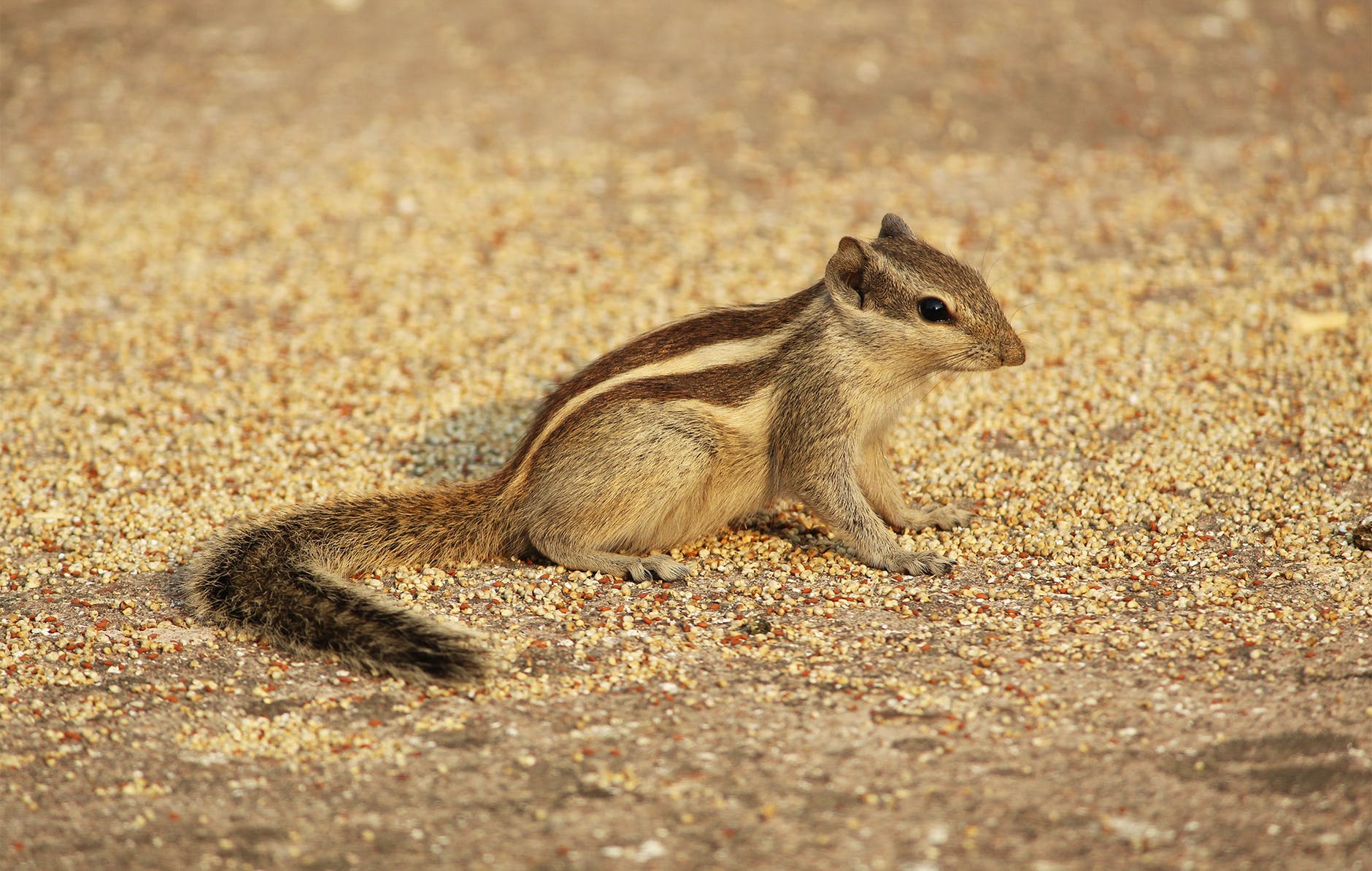
There’s this idea in Canada that the great north includes Moose and Deer and maybe geese, but let me tell you, it’s much more than that. In the week that I’ve been here I’ve seen more wildlife than I saw in the last 8 years in London. There’s a chipmunk that I see run across our driveway every morning, there’s wild turkeys strutting around town (I literally saw 15 of them hanging out in someone’s front yard), there’s geese, birds, bugs, wolves, coyotes… The list goes on. In fact, on our first night here, one of our cats killed a mouse and placed it as an offering to us with their toys for the morning. It’s like everywhere you look, there’s something living and thriving, especially in this early spring.

Photo by Gaurav on Pexels.com

Amenities

I expected moving into the country to come with a set of challenges, like how far we are from a grocery store and things like that. I expected this to be a DISTANCE issue, that we would have to drive 30 minutes to get the basics like a doctor, dentist, vet, hospital, coffee.

What I wasn’t prepared for was a complete lack of services and available supports in the community. This community is beautiful and vibrant and full of diverse people. It’s sad that there are no doctors for people here, with some OHIP patients waiting on a list for upwards of 5 years! How’s that for “accessible” and “free” healthcare. Without getting political, of course there’s a doctor shortage, but more needs to be done by way of preventative care in rural communities. This is unacceptable, considering the tax paid is the same.

I digress, there’s also a complete lack of veterinary care for up to 1.5 hours around us. Every single vet clinic was full. I don’t even know if there was emergency vet services. In short, we will end up having to drive to Ottawa for these services, which I recognize is a privilege that a lot of people can’t afford.

It’s so Quiet!

The evening after we moved in, I sat in our bedroom and I think that was the single QUIETEST moment I’ve ever had in my life. I struggle with some sensory issues with noise, because I have hearing loss, so some of my hearing range is particularly sensitive, but it was just … nothing. No hum of electronics (nothing was plugged in yet), no neighbourhood children outside playing, nothing for the dogs to bark at. You know that saying “the silence in deafening”? It’s true. It was so quiet it actually started to hurt my ears after a while and I had to go outside to listen to the wind in the trees. I didn’t expect that!

Waste

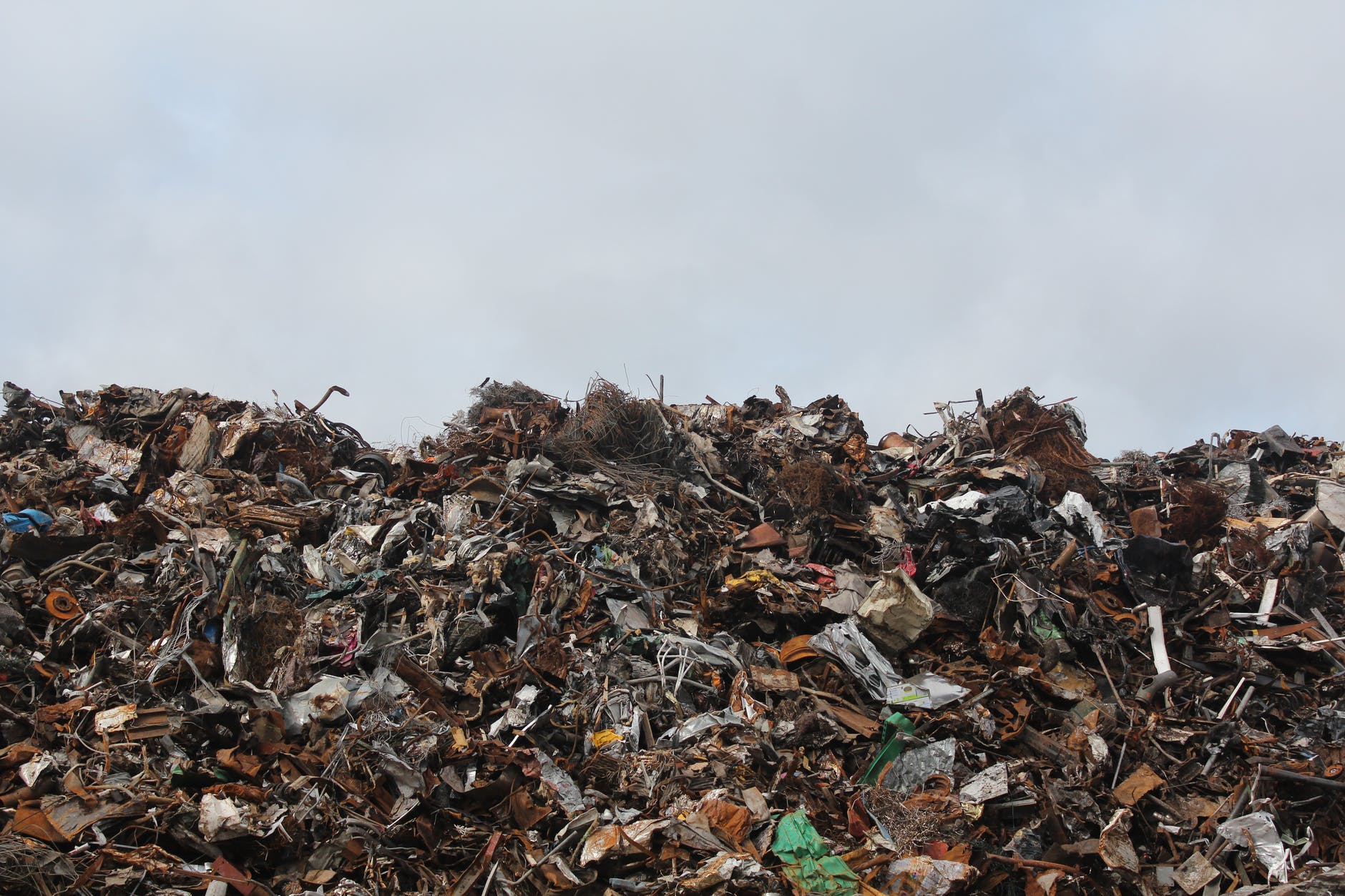
People make a lot of waste. I don’t mean toilet waste (though that too), I mean GARBAGE. Everything you buy comes in a box, that comes with styrofoam and plastic. Every food item you buy that you don’t make yourself comes in plastic packaging. We have a garbage PROBLEM in the world, that much is true, but I never really realized how much waste two people generate just living day to day. We don’t have trash collection here, though we do live down the road from the dump, so it’s very obvious what we waste. That’s not to say that we aren’t recycling (we are), or composting (we are soon!), but the actual amount of things that we can’t is… staggering. I won’t get into too much of the detail here, but it definitely makes me much more cognizant of the need for eco-friendly solutions for things. I pledge to make less waste this year.

The People

The people here are second to none. Everyone smiles at you. Everyone give you the nod. Everyone asks how you’re doing. It’s different. It’s quintessential … community. Not to say that London doesn’t have nice people, but it’s different. It’s a faster pace and people don’t take the time to say “hello, how are ya bud”. There’s a general want to help. I’ve had some of the best service in my life, and some of the kindest welcoming… Which is just what I needed to feel like I can get my footings in a new community.

I hope you’ve enjoyed! Stay tuned for next week when I talk about planning our farm business.